
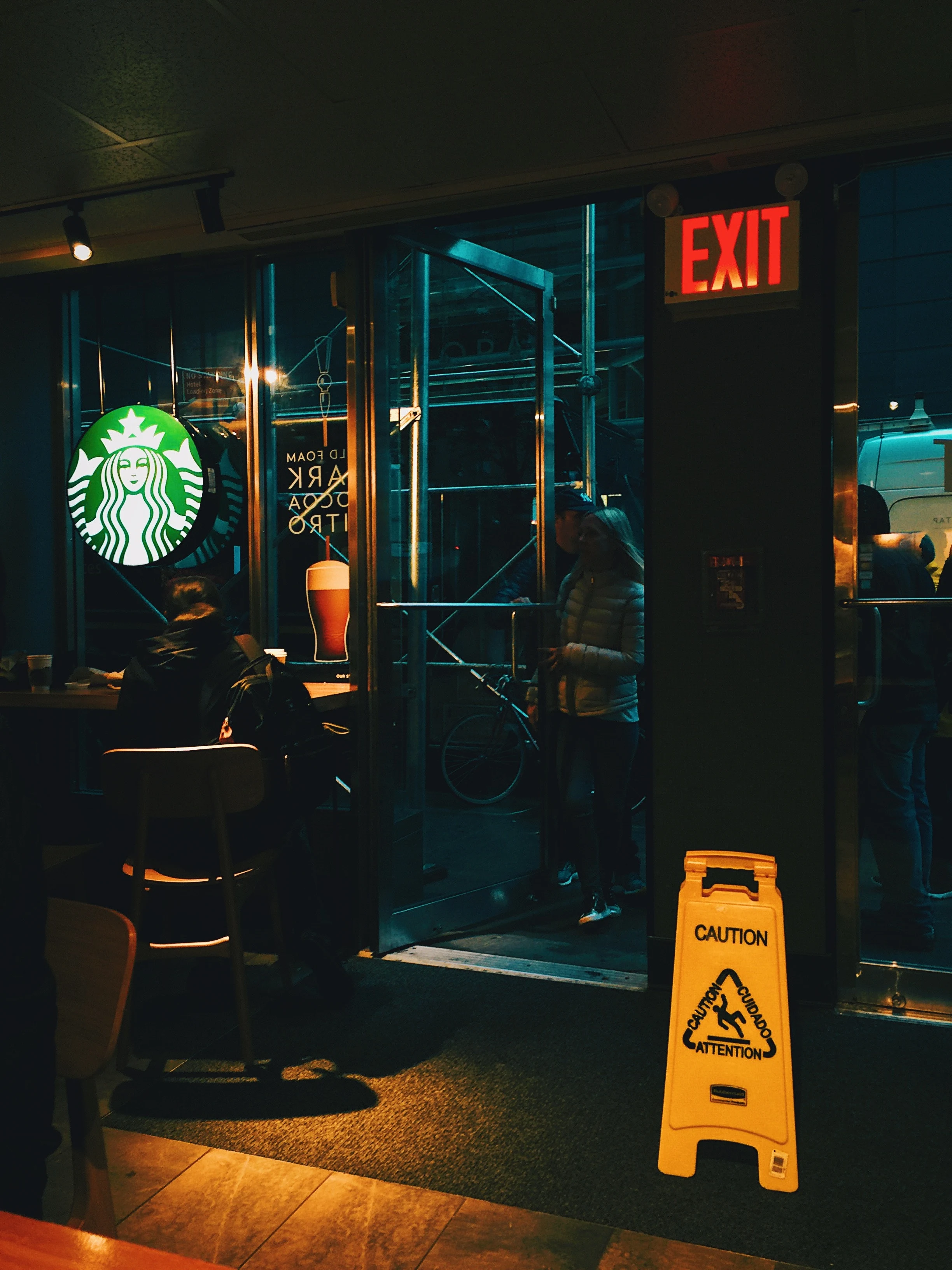
McDonald's, Starbucks, and Coca-Cola are the latest companies to leave Russia.
Public pressure appears to work sometimes, as several of the world's largest corporations have declared plans to discontinue operations in Russia after being pressured to do so.
McDonald's stated yesterday that it would close all of its roughly 800 stores in Russia, citing Russia's invasion of Ukraine as a reason.
"Every day, we serve millions of Russian consumers who rely on McDonald's," stated Chris Kempczinski, CEO of McDonald's. "At the same time, our morals dictate that we cannot turn a blind eye to the needless human suffering in Ukraine."

President Biden declared yesterday that his government will restrict all Russian oil and gas imports in an effort to strike harder on Russia's economy.
"Today, I am announcing that the United States will target Russia's primary economic artery. We are prohibiting all imports of Russian crude oil, natural gas, and energy "As Biden stated. "This implies that Russian oil will no longer be accepted at US ports, and the American people will inflict another devastating blow on Putin's war machine."
 |
| Pexel photo |
When you take an elderly parent to a doctor's appointment, you find yourself in a variety of situations. You're now more than a worried family member; you're also a caregiver and a medical advocate. Our advice can aid you in navigating the system and assisting your parent or family member who is receiving care.
Hundreds of millions of family carers are in need of assistance.
While most of us aren't equipped to handle these responsibilities, we're not alone: about 40 million people in the United States are responsible for family members. They're learning as they go, just like you. And, for good reason, veterans know that planning is crucial when taking a parent to the doctor. "The time you have with a doctor is limited, perhaps 20 or 30 minutes. To fit as much as possible into your appointment, you'll need to be efficient and organized, "Dr Suzanne Salamon, associate chief of gerontology at Beth Israel Deaconess Medical Center, a Harvard affiliate, agrees.
The following are 10 suggestions to help you stay on track before, during, and after your appointment.
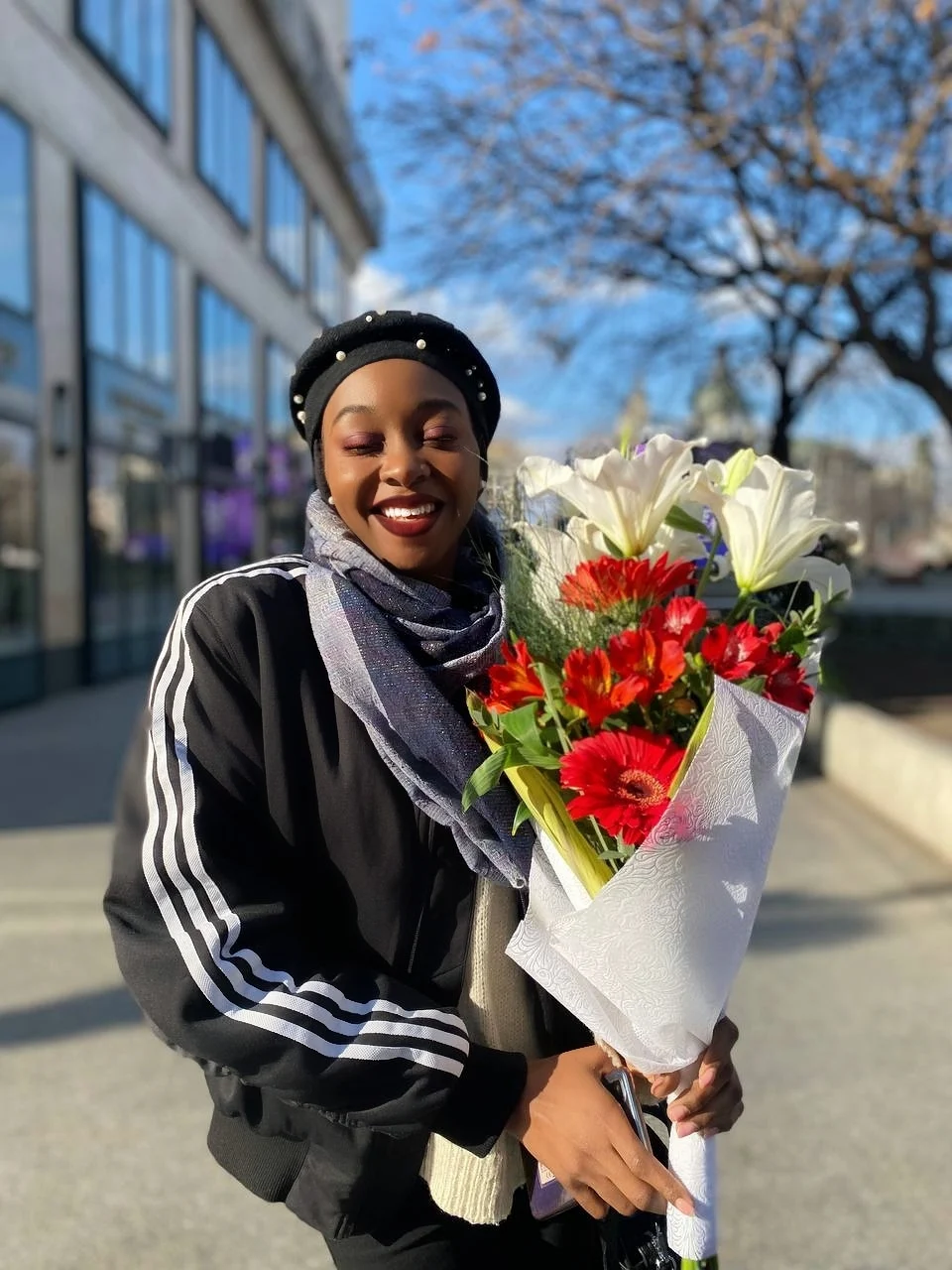
Celebrating Women’s Day: A Message of Gratitude and Love
Today, I want to take a moment to celebrate International Women’s Day. Life has had its ups and downs lately, especially since I left #Ukraine 🇺🇦 for #Hungary. I’ve been feeling a bit low, but the incredible support I’ve received from all of you has truly lifted my spirits.
My days have mostly revolved around the basics—eating and sleeping—without much fun. I’ve experienced a whirlwind of emotions, but I’m profoundly grateful to be alive and to celebrate yet another Women’s Day. A heartfelt shoutout to all the strong, compassionate women out there, especially the brave women of Ukraine during these challenging times.
Happy International Women’s Day! 💖
Today, I want to take a moment to celebrate International Women’s Day. Life has had its ups and downs lately, especially since I left #Ukraine 🇺🇦 for #Hungary. I’ve been feeling a bit low, but the incredible support I’ve received from all of you has truly lifted my spirits.
My days have mostly revolved around the basics—eating and sleeping—without much fun. I’ve experienced a whirlwind of emotions, but I’m profoundly grateful to be alive and to celebrate yet another Women’s Day. A heartfelt shoutout to all the strong, compassionate women out there, especially the brave women of Ukraine during these challenging times.
Happy International Women’s Day! 💖
A Special Message
I recently received a message for Women’s Day that resonated deeply with me, and I want to share it with you:
“It’s Women’s Day again! As cliché as it may sound, this holiday is one of the highlights of the year—a day dedicated to celebrating the incredible women in my life. Without you, my life feels a little bland, baby girl.
I appreciate your strength, tenacity, vulnerability, beauty, and the warmth of your heart. Without you by my side, I can’t truly call myself a man. I love you, baby girl, and I cherish the way you love me.
Happy Women’s Day, my sunshine!
#HappyWomensDay #InternationalWomensDay #BreakTheBias #EqualRights



Preeclampsia prevention may be as simple as taking an aspirin
Preeclampsia is a common and serious pregnancy condition that results in elevated blood pressure and protein in the urine. It is most common during the third trimester or just after birth, but there may be a simple approach to help prevent it.
Preeclampsia can cause kidney and liver irregularities, blood clotting issues, headaches, strokes, and even death if you are pregnant. It makes it more difficult for a growing fetus to receive nutrients and oxygen. Additionally, it has been associated with premature birth and low birth weight in infants. However, according to a recent statement from the US Preventive Services Task Force, daily low-dose aspirin may help prevent several of these disorders (USPSTF).
Who is at the greatest risk of developing preeclampsia?
While preeclampsia can strike without notice, certain risk factors increase the likelihood of it occurring:
Carrying multiples, such as twins or triplets.
Having diabetes.
Being 35 or older.
Being obese, defined as having a body mass index (BMI) greater than 30.
Having high blood pressure prior to pregnancy.
Having kidney illness, or having an autoimmune disorder.
Preeclampsia is also more prevalent in Black people as a result of systemic racism, which limits access to care, and can be a cause of chronic stress as a result of variables such as food and housing insecurity, which contribute to poor health and well-being.
Preeclampsia affects around one in every twenty-five pregnancies in the United States. It is responsible for nearly one in every five medically induced preterm births. Preventing it will result in the saving of lives.
Subscribe to:
Comments (Atom)