6.30.2022

What is Period Equity? And why does it matter? 

It happens to a lot of menstruating women: you go about your daily routine until you discover you've just gotten your period. You feel frightened, vulnerable, and exposed after the clumsy search for a restroom and the ardent hope that you had a menstruation product with you. This is exacerbated by the fact that our society stigmatizes menstruation — or, for that matter, anything having to do with the uterus — and these topics are forbidden.

If you're one of the almost 22 million women in the United States living in poverty because they can't afford menstrual hygiene supplies, you're experiencing period poverty. According to a study published in Obstetrics and Gynecology, 64% of women have had trouble purchasing period items like pads, tampons, or reusable goods like menstrual cups. And 21% said they couldn't afford to buy these items on a monthly basis. People who are homeless or incarcerated are more likely to lack proper menstrual hygiene supplies.


Why is it considered a luxury to use period products?

Menstruation is an unavoidable aspect of life. Menstrual hygiene items should be considered necessities rather than indulgences. Menstrual products are not covered by food stamps or WIC (women, infants, and children) subsidies.


Protect yourself from chronic inflammation's harmful effects.

Chronic, low-grade inflammation has been demonstrated to be a silent killer, contributing to heart disease, cancer, type 2 diabetes, and other diseases. From Harvard Medical School experts, learn simple ways to reduce inflammation and stay healthy.


People who have heavy periods and need to change their pads or tampons frequently experience financial difficulties since they need to buy more pads or tampons than the average menstrual person. They may have vulvar irritation and vaginal discomfort if they try to extend the life of items by using them for many hours at a time. They may also be more susceptible to toxic shock syndrome, a potentially fatal infection.


Why is it vital to talk about period stigma?

To understand and address the issues people confront when it comes to access to menstrual hygiene products, we need to eliminate the stigma around menstruation. Poverty is a reality. Period equity should also be genuine. Embarrassment or taboos may hinder people from speaking up for themselves, but if that stigma is removed — or even alleviated — we can move forward as a society to fulfil the needs of half of our population. When half of the population suffers financial and physical hardship as a result of the reproductive cycle required to guarantee human survival, there is no equality.

SHARE:

6.28.2022

5 Tips to Keep Your Laptop Free from Viruses and Malware

Open laptop on desk with photo editing software – Image Courtesy of Pixabay

With rampant cyber threats, you must keep your laptop free from viruses. A computer virus can result in a damaged OS or even stolen personal data. Here are some helpful tips.

Be Careful What You Install

One of the most common ways of getting a virus is by downloading an infected file. Less-known programmes, unauthorised apps, and pirated software often contain malicious code. A good anti-malware package will alert you when something is suspicious. However, it's best to stay vigilant about what you install. Occasionally a virus can be a challenge to remove. However, you can get rid of a potentially unwanted program (PUP) by removing it from your laptop. App removal is the first step. But the effects might also mean you have to reinstall your OS.

Don't Let Others Use Your Computer

While you can do all you can to prevent viruses and malware, others might not be as assertive. In addition, many people often ignore threats or are completely oblivious. For these reasons, you should avoid letting other people use your laptop unless you can monitor them. However, if you can't avoid this, try setting user access controls in your guest profiles. Access restrictions can block specific sites, disallow downloading and severely limit the interaction with your OS. However, as is often the case, user error is likely to cause an infection.

Keep Your Laptop Free from Viruses with Antimalware

Computer viruses are a global issue. Yet, in the United States alone, it is believed that over 30% of computers are infected with some form of virus or malware. While you can never guarantee a 0% chance of infection, you can help yourself immensely with anti-malware packages. Free software offers surprisingly good protection. But you will get the best from paying for a licence. An anti-malware package licence from a reputable vendor isn't expensive. Some of the best for laptops include Malwarebytes, Avast, and McAfee Total Protection.

Never Use Public Wi-Fi

You should never use free public Wi-Fi unless you have no other option. Even though many public services provide excellent internet access, hackers frequently target them. If you don't use a reliable VPN, hackers can steal your personal information over a shared connection. Airports, coffee shops, and libraries are a few examples. Malware and viruses, many of which are capable of going undetected, are other effects of public internet access. Invest in the best VPN software and antimalware you can afford if you must use the public internet.

Install Ad-Blocking Software

Online pop-up ads frequently refer you to dubious websites where viruses and data theft are common. Unfortunately, trying to avoid these is often easier said than done unless you download an effective ad-blocker that prevents you from seeing them. Fortunately, ad-blockers, both free and paid, are simple to find. The price difference is typically related to how well it works. But even if you have an active ad-blocker enabled, you should be careful when browsing the web. Many sites won't allow access unless the ad-blocker is turned off.

You can protect yourself if you keep your laptop free from viruses. Popular methods include vigilance when installing apps, staying off public Wi-Fi, and installing ad-blockers.
SHARE:

6.21.2022

What is alopecia areata and how is it managed?

What is alopecia areata and how is it managed?

Alopecia has recently made headlines. But what exactly does alopecia imply? Alopecia is a catch-all term for all types of hair loss. Hair loss is a common problem for many men and women, and the majority of people will experience some form of hair loss during their lives.

Alopecia areata (AA) is a condition in which the body's immune system attacks hair follicles, causing hair loss. AA can affect the scalp, brows, eyelashes, and any other area of the body where hair grows.


What exactly causes alopecia areata?

The immune system defends the body from foreign invaders such as bacteria and allergens. When the immune system is not functioning properly, it can attack hair follicle cells, causing them to enter their "resting" phase (called telogen) prematurely, halting hair growth.

Although the exact cause of this immune response is unknown, environmental factors, genetics, and stress may all play a role.

Patients of all ethnicities and genders are affected by AA. It is one of the most common types of hair loss. The majority of people who develop AA are under the age of 30, but it can occur at any age.

What is the appearance of alopecia areata?
AA typically begins with the appearance of small, round patches of hair loss with no redness or scarring. This can rarely progress to a complete lack of body and scalp hair, including brows and eyelashes.

A doctor's examination (usually by a dermatologist) is often used to make the diagnosis, which may include the use of a dermoscope (skin surface microscope). If it is unclear whether AA is the cause of hair loss, the doctor may perform a scalp biopsy (the removal of a small amount of skin) to help make a more accurate diagnosis.

Nail changes occur in approximately 10% to 20% of patients and may be more common in children or those with severe cases.

Because AA is an autoimmune disorder, it's not surprising that it's linked to other immune-related conditions like vitiligo, autoimmune hemolytic anaemia, celiac disease, lupus, allergic rhinitis, asthma, atopic dermatitis, and thyroid disease. Thyroid blood tests are frequently performed to rule out thyroid conditions that cause hair loss.

AA frequently causes psychological and emotional distress, as well as a decrease in self-esteem. Anxiety, depression, and obsessive-compulsive disorder are all more common in AA users.

What is the outlook for people suffering from alopecia areata?
Although the natural course of AA is unpredictable, most people with the condition achieve hair regrowth within a few years. Patients with milder hair loss are more likely to experience regrowth. The AA subtype also influences the prognosis: the risk of progression from limited alopecia areata to complete scalp hair loss (alopecia totalis) or whole-body hair loss (alopecia universalis) is about 5% to 10%.

The extent of hair loss and the age at which AA begins are the most important prognostic indicators. People who develop AA at a younger age tend to fare the worst. Certain subtypes of AA may also be less amenable to treatment.


What are the available treatments for alopecia areata?
Before beginning treatment, it is critical to have realistic expectations and understand that there is currently no cure for AA and that the goals of treatment are to suppress hair loss and promote regrowth. Recurrence is possible due to the unpredictable nature of AA, with only 30% of patients experiencing long-term remissions.
SHARE:

6.20.2022

Pay attention to signs of depression


Most individuals with dementia or mild cognitive impairment (a reduction in thinking ability) develop behavioral changes, such as depression and agitation, over time. Which is preceding? A study published online by Neurology on January 14, 2015, indicates that psychological and behavioral changes may occur before moderate cognitive impairment or dementia develops. Researchers analyzed the everyday functioning, memory and thinking abilities, as well as psychological and behavioral symptoms of over 2,400 individuals aged 50 and older who showed no signs of cognitive impairment. The study also implies that older persons may exhibit a pattern of depressed symptoms unrelated to cognitive deterioration. What is the takeaway? "There are numerous causes for older persons to experience depressive symptoms. If you are having mood or cognitive changes that continue more than a few weeks, you should discuss this with your doctor or visit a mental health professional for assistance in determining possible causes "says Dr. Nancy Donovan, a Harvard Medical School psychiatry instructor.

SHARE:

Happiness may not extend life

According to a recent report from the Million Woman Study, although poor health can lead to unhappiness and a shorter life span, unhappiness alone is not related to a shorter life span. Beginning in 1996, this investigation has tracked the deaths of hundreds of thousands of women in the United Kingdom.

SHARE:

6.19.2022

Happy father's day to my Father

The most significant day of the year is Father's Day. I can't imagine counting my blessings without my father at the top of the list. He is an incredible father and the most selfless man I have ever known. Today is another Father's Day, and I'd want to wish my father a wonderful day, as well as long life and good health.


To my father, I wish him a happy Father's Day.
SHARE:

6.18.2022

Men's Health: The Top 10 Nutritional Needs

Men’s Health Nutritional Tips 

When it comes to nutrition, we all need the same things: food that gives us energy as well as vitamins and minerals. However, a healthy diet varies based on age and gender.
 
Men have a greater metabolism, more muscle mass, and a larger stature than women. As a result, compared to women, we require more calories and fibre throughout the day, as well as higher levels of some vital vitamins and minerals. Men have unique dietary requirements, such as maintaining adequate testosterone levels.
 
Before you go into particular nutrient recommendations, be sure your total calorie intake is under control. Men have larger calorie requirements than women, ranging from 2,220 to 3,000 calories per day on average. You may require more or fewer calories than this average, depending on your objectives.


Aim for 45–65 per cent of your total calories to come from carbohydrates, 10–35 per cent from protein to help maintain muscle mass, and the remaining 20–35 percent from fat to keep you satisfied.

Your calorie requirements will differ depending on your age, height, weight, degree of exercise, and gender. Because males have a faster metabolism than females, knowing your appropriate calorie intake is crucial. 

Let's take a closer look at some of the most important nutrients for males so you can create a diet that keeps you healthy and happy.

Eat protein
For the average adult male, the current daily recommended intake (DRI) of protein is 0.8 grams per kilogram of body weight.
1 This suggestion, however, may be too low for guys who exercise regularly.

Consuming 20 to 40 grams of high-quality protein every three to four hours is sufficient, according to the International Society of Sports Nutrition (ISSN), and helps promote muscle protein synthesis, healthy body composition, and gym performance.

"Well, what exactly is a 'high-quality' protein source?" you might wonder. All nine necessary amino acids are present in sufficient amounts in high-quality protein sources. "Complete proteins" is another name for them. Although most complete proteins come from animal sources, some plant-based proteins, such as soy and quinoa, do contain all essential amino acids. 

Although whey protein products are often lactose-free, egg white protein or soy are excellent complete protein alternatives if you have a dairy allergy. If you're a vegan, seek soy-based protein powders or products that contain a blend of plant-based proteins, such as rice, pea, hemp, and chia seed, rather than a protein source that simply contains one of these ingredients.

Protein powders and bars are convenient to have on hand to ensure you receive enough protein, whether you're attempting to gain, decrease, or maintain your current weight.

Dietary fibre
The majority of us do not consume enough fibre on a regular basis. In fact, 97 per cent of men do not consume the recommended daily fibre intake of 28 to 34 grams.

There are two kinds of fibre to eat: soluble fibre and insoluble fiber.
 
Soluble fiber aids in the reduction of cholesterol and the control of blood sugar levels. Oats, beans, peas, barley, and apples are all good sources of soluble fiber.
Insoluble fibre improves intestinal health. Wheat bran, almonds, and vegetables, including cauliflower, green beans, and potatoes, contain insoluble fiber.
Dietary fiber is abundant in fruits, vegetables, and whole grains. A high-fiber diet can aid with gastrointestinal motility, inflammation reduction, and heart disease prevention.

To gain the benefits of a high-fibre diet, try to include plenty of fruits, vegetables, and whole grains in your daily diet. Consider taking a fibre supplement if you're having difficulties getting enough fibre from whole meals.

SHARE:

6.16.2022

Monkeypox outbreaks could be slowed by ring vaccination.

You've likely heard by now that a global outbreak of monkeypox is now underway. Cases are widespread, including in the United States, Canada, Europe, and Australia. It is the greatest monkeypox outbreak ever documented outside of western and central Africa, where the disease is prevalent.

Controlling an outbreak, however, requires preventative measures such as avoiding direct contact with infected individuals and vaccination. Historically, ring vaccination has been an effective approach for limiting smallpox and Ebola outbreaks. It may also be effective for monkeypox.


How can we contain monkeypox?


According to the Centers for Disease Control and Prevention (CDC) and the World Health Organization, it is unlikely that monkeypox will develop into a pandemic. Currently, the threat to the general population is low. The focus is on detecting potential cases and quickly containing the outbreak.

Three crucial measures can help end this epidemic:

Recognize early symptoms.
Typical early symptoms include fever, tiredness, headache, and lymph node enlargement. 
A few days later, a rash develops, evolving from little flat patches to blisters resembling chickenpox, then to bigger pus-filled blisters. 

Typically, the rash begins on the face before spreading to the palms, arms, legs, and other regions of the body. If monkeypox is transmitted by sexual contact, the rash may initially appear on or near the genitalia.

Take measures to prevent the spread. 
The transmission of monkeypox occurs by respiratory droplets or through contact with fluid from open sores.
If you have been diagnosed with or fear you may have monkeypox, you should avoid close contact with others. 
Once the sores have crusted over, the diseased individual is no longer contagious. 

The basic infection control equipment for health care workers and other caregivers should include gloves and a mask.

As a result, scientists believe that sexual contact spreads the virus. Therefore, specialists recommend abstinence when suspected or confirmed monkeypox is present. 

SHARE:

6.14.2022

Mindful eating


Is this something you've heard before?

You're sitting at your computer, staring at a wall of e-mails. You hit "send" after finishing your response and reach for the bulging tuna wrap on your desk. You set the wrap down, grab a handful of chips, and open the next message after a few bites, chewing while glancing at the screen. Before you know it, you've finished your meal without even realizing it.

A small but growing body of research suggests that eating more slowly and thoughtfully may help with weight issues and may steer some people away from processed foods and other less-healthy options.


This alternative method is known as "mindful eating." It is based on the Buddhist concept of mindfulness, which entails being fully aware of what is going on inside and outside of you at the time. Mindfulness techniques have been proposed in other areas as a way to relieve stress and alleviate problems such as high blood pressure and chronic gastrointestinal issues.

What is Mindful eating?
Mindful eating (i.e., paying attention to our food intentionally, moment by moment, and without judgment) is an approach to food that emphasizes sensuous awareness of the food and the experience of eating. It is unrelated to calories, carbs, fat, and protein.

Mindfulness in eating entails noticing the colours, smells, flavours, and textures of your food; chewing slowly; eliminating distractions such as TV or reading; and learning to cope with food guilt and anxiety. Some aspects of mindful eating appear to be influenced by the ideas of Horace Fletcher, an early twentieth-century food faddist who believed that chewing food thoroughly would solve a variety of health problems.

The mind-gut relationship
Digestion involves a complex series of hormonal signals between the gut and the nervous system, and it appears that the brain takes about 20 minutes to register satiety (fullness). If someone eats too quickly, satiety may occur after overeating rather than stopping it. There's also evidence that eating while distracted by activities like driving or typing may cause digestion to slow or stop, similar to how the "fight or flight" response works. And if we don't digest well, we may be missing out on the full nutritive value of some of the food we eat.

In her 2010 book Savor: Mindful Eating, Mindful Life, co-written with Zen master Thich Nhat Hanh, nutritionist and Harvard School of Public Health lecturer Lilian Cheung lays out the rationale for mindful eating as a way to lose weight. The book, which combines science and Buddhist philosophy, has spawned a thriving Facebook page where people share recipes and other healthy living advice.

Stephanie Meyers, a dietician at Dana-Farber Cancer Institute, uses mindfulness techniques to assist cancer patients with their diets in a variety of ways. For example, she will encourage head and neck cancer survivors to meditate on food as they make the sometimes difficult transition from a feeding tube back to eating. Patients could practice this meditation by biting into an apple slice, closing their eyes, and focusing on the sensory experience of tasting, chewing, and swallowing.
SHARE:

6.13.2022

5 Warning signs of early heart failure you need to known

Recognizing and treating heart failure as soon as possible may help to slow the progression of this serious condition.

If you start feeling tired or winded more than usual, it's easy to blame it on getting older, being out of shape, or being overweight. However, if these symptoms persist, don't dismiss them, especially if you're also experiencing ankle swelling and difficulty breathing when lying down.

These are all classic symptoms of early heart failure, which occurs when the heart is unable to effectively pump blood throughout the body (see "The FACES of heart failure"). Recent advances in both detection and treatment may help to alleviate the burden of heart failure, which is the leading cause of hospitalization in people 65 and older.


SHARE:

Quotes Of The Day: June 13, 2022.


Good Morning Quote: Monday, June 13, 2022.

I truly believe that everything that we do and everyone that we meet is put in our path for a purpose. There are no accidents; we’re all teachers – if we’re willing to pay attention to the lessons we learn, trust our positive instincts and not be afraid to take risks or wait for some miracle to come knocking at our door. Marla Gibbs

What you do today can improve all your tomorrow. Today is the best time to plan for your tomorrow.
Ralph Marston

Dignity is often a veil between us and the real truth of things.
Edwin Percy Whipple

Life is a song – sing it. Life is a game – play it. Life is a challenge – meet it. Life is a dream – realize it. Life is a sacrifice – offer it. Life is love – enjoy it. Sai Baba
SHARE:

Eye comfort is another advantage of exercise.


A new study suggests that, in addition to many other health benefits, vigorous exercise may help with dry, itchy eyes by increasing tear production and quality.

The study included 52 adults who were classified as "athletes" or "non-athletes" by the researchers. Athletes exercised at least five times per week, while non-athletes exercised no more than once per week.


SHARE:

Waiting for motivation to strike? Try rethinking that

Photo by Dziana Hasanbekava from Pexels: https://www.pexels.com/photo/unrecognizable-person-running-on-cold-sandy-beach-5480744/

We are all aware that motivation is essential for achieving personal and professional objectives. However, if you wait for motivation to hit like a bolt of lightning, you'll be much less likely to take any action. Even if you've set a lofty goal for yourself, it's all too easy to lose motivation due to feelings of overwhelm, procrastination, or impatience. The actions outlined below can assist you in increasing your motivation to achieve the goals that are important to you.

The significance of your objective

Before you select a goal, you must first determine its significance – that is, why is achieving this goal so important to you? What does this success mean to you? "I want to drop 10 pounds so I can have more energy to play with my grandchildren," for example, is significantly more meaningful than "I want to reduce weight." Perhaps your goal is to paint a room a different color because you believe it would bring you more happiness. This is not the same as establishing a goal of "paint room."

If you create a goal and find yourself procrastinating or failing to achieve it, reconsider the objective's meaning. Is this a goal that you still care about? If that's the case, think about the significance behind your procrastination or the challenges you're having.


Make your goal a reality.


Make a thorough plan to reach your goal. This plan should be guided by the term SMART:

(What specifically do you aim to achieve?)
(How will you know when you've succeeded?) Measurable
Achievable (Can you achieve the aim you've set?)
Realistic (Does it make sense for you to set this objective right now?)
Time-bound (Can you give me an estimate of how long it will take you to achieve this goal?)

A goal of "exercise more" is an example of a goal that is overly broad and will not lead to success. Instead, make a goal for yourself to walk 50 steps in the next hour or a 15-minute stroll on Wednesday morning. This objective is explicit, quantifiable, attainable, reasonable, and time-bound.

SHARE:

6.12.2022

Health and happiness are inextricably linked.

Happiness

People who are happy are often healthier. So, what can you do to make yourself happier?

People who perceive themselves as joyful have fewer health issues, are less likely to become depressed, and live longer.

But what if you're not a happy person by nature? Is it possible to make yourself joyful, even in the midst of adversity?

It turns out that the majority of people can improve their happiness levels. According to research, heredity determines 50 percent of people's overall happiness. However, people have control over 40% of the situation, and the other 10% is dependent on the conditions.

"This means that even if you don't consider yourself happy, there's a strong chance you can improve it," says Dr. Robert Waldinger, head of the Harvard Study on Adult Development, the world's longest-running happiness study.


Put on a cheerful face.
Researchers examined data from 138 research evaluating over 11,000 people worldwide to see how facial expressions affect emotions, according to a study published in the Psychological Bulletin in June 2019. They discovered that smiling made people feel happy, whereas scowling and frowning make them feel angrier and sadder, respectively. Although the effect was minor, smiling has a wide appeal.

Attempting to achieve happiness
In fact, even the most optimistic individual finds it difficult to stay positive all of the time. Happiness, like any other facet of health and fitness, is a work in progress. But, no matter how happy you are right now, there are things you can do to improve your attitude and your mental and physical health. Here are some ideas to get you started.

Stay connected. Happiness and personal ties with family and friends were found to be strongly linked in a Harvard study led by Dr. Waldinger. Dr. Waldinger explains that "personal connection produces emotional stimulation, which is an immediate mood booster, whereas solitude is a mood crusher."

Raise your hand if you agree. Volunteering gives you a sense of purpose and lifts your spirits. The effect was notably substantial in persons over the age of 70, according to a 2016 BMJ Open study.

Perform random acts of kindness on a regular basis. Choose a day and dedicate yourself to completing acts of kindness that you would not normally do. "It can take a lot of planning ahead of time," says Tyler J. VanderWeele, director of Harvard's T.H. Chan School of Public Health's Human Flourishing Program. "However, the planning process itself, as well as the purposeful decision to do good for others, can have a significant impact on one's own well-being."

Get in touch with your inner child. You have the opportunity to relive the activities that brought you delight as a child or young adult as you get older. When you were younger, what made you happy? Rekindle your youth's hobbies, games, sports, and other pastimes.

Purchase additional time. People who spend money on time-saving items, such as paying to delegate home duties, rather than material objects, have higher life satisfaction, according to a 2017 study published in the Proceedings of the National Academy of Sciences. Regardless of a person's income, the effect was the same.

SHARE:

Mammograms may aid in detecting cardiovascular risk.


According to new research, routine mammograms, which are used to check for breast cancer, may also reveal information about a woman's risk of heart disease.

On mammograms, white patches or lines indicate calcium buildup in the breast arteries. This type of calcification differs from the calcification of the coronary arteries, which is recognized to be a sign of increased cardiovascular risk. Researchers tracked 5,059 postmenopausal women (ages 60 to 79) for six and a half years for this study. They discovered that women with breast artery calcification were 51 per cent more likely than women without calcification to develop heart disease or have a stroke. Circulation: Cardiovascular Imaging published the study on March 15, 2022.
SHARE:

What are Dental Bridges?


A dental bridge is a prosthetic that replaces numerous lost teeth in one area of the mouth, allowing you to speak, chew, and smile normally once more.  A dental bridge is a type of prosthetic tooth that is used to replace missing teeth permanently. The teeth on each side of the gap are joined to the bridge. Porcelain, metal, a combination of the two, or zirconia are the most common materials used for bridges. They are set in situ and can be used instead of dentures for some persons.

A dental bridge may be recommended to restore your smile whether you are missing a single tooth or numerous teeth in a row. A bridge is a permanent dental treatment that cannot be removed. Two dental crowns are used to hold the dental bridge in place. These crowns are specially created to match your smile and are placed on the teeth or dental implants close to the gap left by the lost tooth. These crowns secure the artificial tooth in place to restore your smile, preventing it from shifting or becoming loose. A dental bridge is usually completed in just two to 4 visits to the dentist. Dental bridges are made to endure a long time and restore your smile's function, appearance, and health.
SHARE:

6.11.2022

The third year of the epidemic is now underway: Now what?

Contrary to how it may sometimes appear, the epidemic is still with us.

Increasingly, people are going back to work in person. Schools restarted this spring. And mask mandates are history in most regions of the US. In many regions, case rates are declining and deaths due to COVID-19 have become infrequent. For many, life now closely approaches pre-pandemic normalcy. So, what do you need to know about where we are now?


Not so fast: COVID remains a serious problem

The infection is still very much with us, not behind us. According to the CDC, in the US there are roughly 100,000 new cases (possibly an underestimate) and around 300 deaths each day due to COVID as of this writing. Despite this, more and more individuals are paying less and less attention.

That might be a grave error. With the summer travel season upon us and terrible forecasts for fall and winter, it is prudent to pause, take a deep breath, and reevaluate the situation.

Here are answers to five questions I've been hearing frequently recently.

1. I have not yet contracted COVID. So, do I still need a vaccine?

Yes, indeed! Vaccination and booster shots are the most effective means of preventing serious COVID-19 infection.

Perhaps you have avoided infection thus far due to your vigilance with physical separation, masking, and other preventative methods. Alternatively, you may have inherited genes that make your immune system very adept at resisting the COVID-19 virus. Or maybe you've just been lucky.

Regardless of the reason, it is prudent to maintain vigilance. The virus that causes COVID, SARS-CoV-2, is highly infectious, particularly in the more recent forms. And while some individuals are at a greater risk than others, everybody is susceptible to infection and can develop a severe illness from this virus. Even if you develop a mild or moderate case of COVID-19, keep in mind that some people develop chronic COVID symptoms, such as fatigue and brain fog.
SHARE:

6.09.2022

Deep motivational quotes to help you succeed


“We cannot solve problems with the kind of thinking we employed when we came up with them.” — Albert Einstein

“Learn as if you will live forever, live like you will die tomorrow.” — Mahatma Gandhi
“Stay away from those people who try to disparage your ambitions. 

Small minds will always do that, but great minds will give you a feeling that you can become great too.” — Mark Twain


“When you give joy to other people, you get more joy in return. You should give a good thought to happiness that you can give out.”— Eleanor Roosevelt
SHARE:

Positive outlook speeds recovery


Is growing older a positive or negative experience for you? According to a study published in The Journal of the American Medical Association, having a positive attitude toward ageing may aid in your recovery from a health setback. A Connecticut health plan provided 598 patients (mostly women) for the study. Over the course of ten years, participants were interviewed once a month and completed home-based assessments. The words individuals chose to describe growing older were utilized to assess their age preconceptions (ranging from positive terms like "spry," to negative terms such as "decrepit"). People with a positive attitude about aging were 44 per cent more likely than those with a negative attitude to recover from handicap. They were also better at going about their everyday routines. More research is needed to see if initiatives aimed at changing people's views about aging might help older people live more independently.

SHARE:

What are porcelain dental veneers?


Porcelain veneers are thin shells that cover the natural tooth, protecting it while also improving the appearance of your smile. If you are considering porcelain veneers, we recommend that you seek expert advice from your dentist.

Dental veneers are thin shells glued to the front of your teeth to enhance your smile. They are commonly made of porcelain or resin. Your dentist may recommend dental veneers to treat various smile flaws. Porcelain veneers are a terrific way to improve the appearance of your smile since the hue and translucence of porcelain closely resemble the natural appearance of tooth enamel. Porcelain is also stain-resistant, so your smile will last for many years. Resin veneers can also be customised to match the colour of your natural teeth. You can have a gorgeous, natural-looking smile with dental veneers that you will be proud to show off.
SHARE:

Do fitness trackers encourage individuals to move more?

Do fitness trackers really help people move more?

According to a recent survey, one in every five people owns a smartwatch or fitness tracker. These wrist-worn monitors are a convenient way to track your daily steps, and they're likely more accurate than the tally on your smartphone, which you may not have with you at all times. Most wearable devices also provide a variety of other data, such as your heart rate, walking speed, and so on.

But does using one have an impact on how active people are? The answer is yes, according to the largest study on the subject to date (see "Fitness trackers and activity levels: What's the evidence?"). Regular physical activity is essential for a healthy heart, and the improvements seen in this study could potentially make a difference, according to Dr Megan Wasfy, a cardiologist at Harvard-affiliated Massachusetts General Hospital's Cardiovascular Performance Laboratory.


"The increase in moderate-to-vigorous physical activity was close to 50 minutes per week, which is one-third of the 150 minutes recommended by federal activity guidelines," Dr. Wasfy says. The extra 1,200 daily steps taken when people wore trackers were roughly the same as the number of steps linked to a longer life in several studies. 10,000 steps a day has been recommended as a daily goal for a long time, but research shows that 8,000 steps a day is almost as good for your health, especially in older people.

What is the evidence for fitness trackers and activity levels?
 
A group of Danish researchers looked at the evidence and analyzed it to find out how feedback from wearable fitness trackers affects how much people work out and do other things.

They found 121 different studies involving nearly 17,000 mostly healthy adults ages 18 to 65. The participants' median age was 47, and the majority were female. The study's intervention periods had a median duration of 12 weeks.

Researchers discovered that using physical activity monitors led to an extra 1,235 steps per day and 49 minutes of moderate-to-vigorous physical activity per week on average. They also stood for an additional 10 minutes per day, though this was insignificant. The study was published in The BMJ on January 26, 2022.
SHARE:

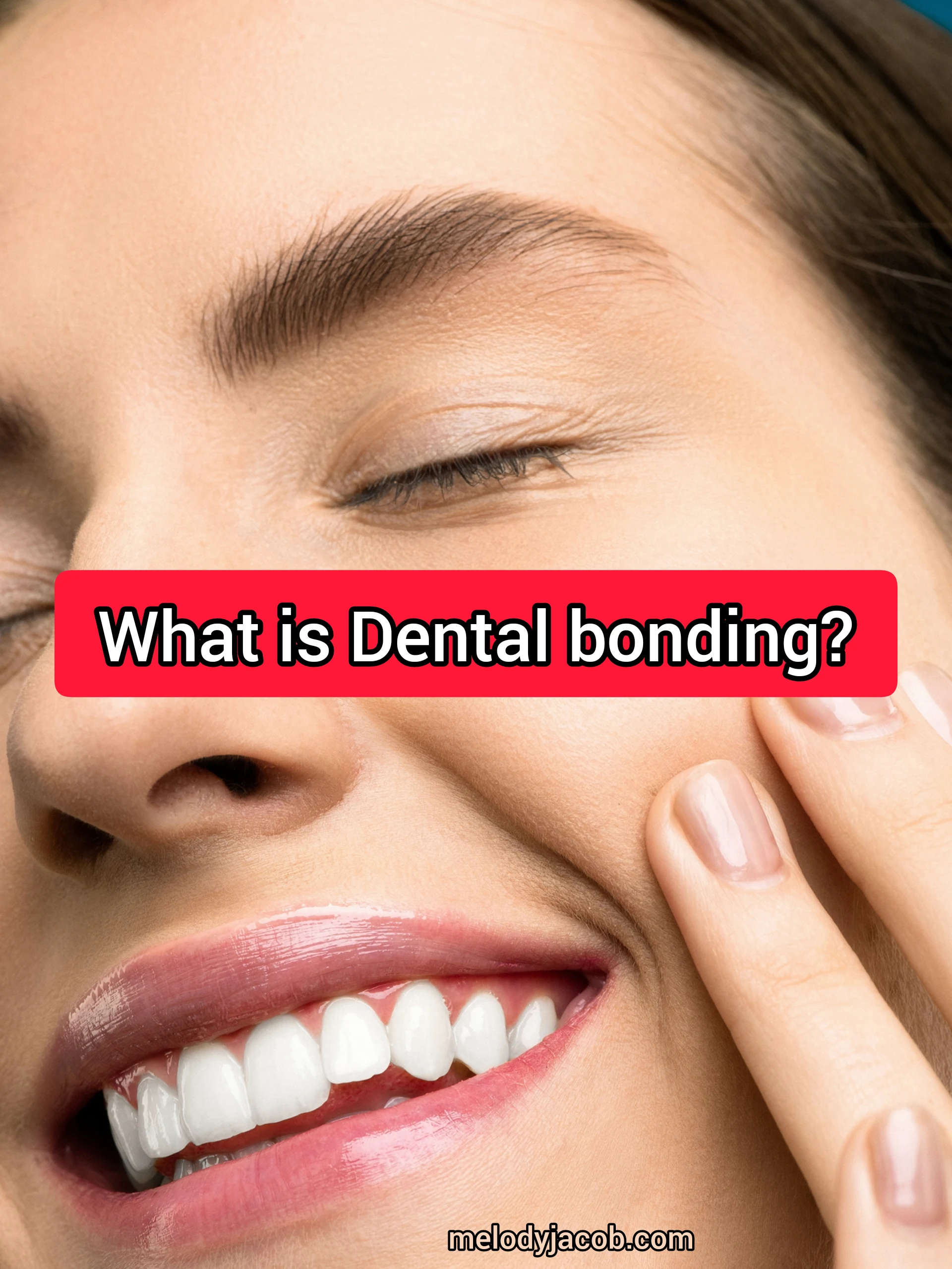
What is dental bonding?

Are you unhappy with the shape and appearance of your teeth?

Dental bonding

Dental bonding is a cosmetic procedure that improves your smile by using a tooth-coloured composite resin material. This procedure is used to repair chips, close gaps, or alter the shape and colour of teeth. Dental bonding, unlike other cosmetic dental treatments such as porcelain veneers, is completely reversible.


Dental bonding is a simple and cost-effective method of improving the appearance of your smile. Skilled dentists apply a composite resin material directly to the tooth structure during the bonding process. The resin can be shaped and sculpted to fit your tooth and correct flaws in its appearance because it is malleable and puttylike when first applied. After that, the composite resin is hardened, trimmed, and polished to provide a long-lasting, aesthetically pleasing restoration for your smile. Dental bonding usually requires only one visit to the office of your dentist and because this treatment usually requires little to no tooth preparation, you can expect your visit to be quick and comfortable.
SHARE:

6.08.2022

4 ways to boost your self-compassion

4 ways to boost your self-compassion

Consider how you treat yourself when you make a mistake or fall short of achieving a goal. If you have a tendency to berate yourself when things go wrong, you, like most people, may benefit from a bit more self-compassion.

Self-forgiveness and self-care appear to be advantageous in their own right. Self-compassion can even pave the way for improved health, relationships, and well-being in general. Numerous benefits of self-compassion have been demonstrated by studies. Higher levels of self-compassion have been associated with lower levels of anxiety and depression. Self-compassionate individuals acknowledge their own pain and are gentle with themselves at these moments, thereby reducing their own anxiety and despair.

Understand self-compassion and learn to have it.

Self-compassion comes easily to some, but not to everyone. Fortunately, it is an acquired skill. People are learning how to find and grow their own self-compassion through a variety of training programs and ideas that have been suggested.

Here are four fast techniques to improve your self-compassion skills:

Relax your body.

4 ways to boost your self-compassion

Eat something nutritious. Recline and rest. You should massage your neck, feet, and hands. Take a walk. Self-compassion is increased by any action that improves one's bodily well-being.

Compose a letter to yourself. 
Consider a situation that brought you pain (a breakup with a lover, a job loss, a poorly received presentation). Write yourself a letter detailing the situation without placing blame on anyone, including yourself. Use this activity to nurture your emotions.

Give yourself encouragement.

Consider what you would say to a close friend facing a challenging or stressful situation. Then, when you find yourself in a similar circumstance, use these compassionate replies for yourself.
SHARE:

6.06.2022

The importance of Positive Psychology


Positive Psychology

Positive thinking has tremendous power. Positive emotions are associated with better health, a longer life, and a higher sense of well-being. Chronic anger, worry, and hostility, on the other hand, increase the risk of developing heart disease.

Being happy comes naturally and easily to some people. Others must put in the effort. 

How does one go about achieving happiness?

This is where positive psychology comes into play. This relatively new area of study has been investigating how people and institutions can support the pursuit of greater satisfaction and meaning. It has revealed several paths to happiness:

Looking for pleasurable emotions and sensations.

Fully engaging: Pursuing goals and activities that fully engage you.

Doing good entails looking for meaning outside of oneself.

Gratitude: expressing gratitude for what you have in life.
SHARE:

6.03.2022

7 Reasons to Choose A Blue Sapphire Engagement Ring

You're excited to start looking at engagement rings, and you're wondering if a blue sapphire might be the way to go. With its rich colour and long history, the blue sapphire offers you a different option from the traditional diamond: It's less expensive and rarer and can come with its share of myths. So what's the verdict? Below are seven reasons a blue sapphire engagement ring might be right for you.

7 Reasons Choose A Blue Sapphire Engagement Ring

https://cdn.pixabay.com/photo/2017/07/24/18/47/color-2535676__480.jpg

They are the most valuable gemstones after diamonds.

Blue Sapphires are the most valuable gemstones after diamonds. The value of a sapphire engagement ring relies on the colour, clarity, and cut of the stone as well as its carat size. Sapphires come in many different colours, including; yellow, orange, green, and violet, but blue is by far the most popular colour due to its rarity in nature compared to other coloured sapphires. 

Pink sapphires are typically the least expensive type of sapphire because they’re rarer than any other colour. Sapphires are also more valuable than rubies (and emeralds), making them an excellent choice for your engagement ring. If you are looking for a unique sapphire engagement ring, you can find it here. 

They have a rich history and are associated with royalty.

Sapphire is the birthstone for September, the gemstone for the 9th wedding anniversary, and the gemstone for the 23rd wedding anniversary. It's also associated with royalty.

The first known use of sapphire as a gemstone was in ancient Egypt. Around 2600 BC, Egyptians used sapphires to decorate amulets worn by pharaohs and priests; this was believed to bring them great power in life after death. Many ancient cultures believed that wearing one would bring you good luck throughout your life!

Sapphire has been used for centuries by kings and queens all over Europe—and it appeared in many paintings depicting scenes from Shakespeare's plays during his period because it was thought to symbolize truthfulness and sincerity!

They make a bold fashion statement.

But blue sapphire engagement rings aren’t just a great choice because they’re beautiful, durable, and timeless. They also make a bold fashion statement. Blue sapphire engagement rings are a great option for someone who wants to stand out from the crowd and make an impression with their ring. For example, if you want your friends or family members to know that you’re engaged without them having to ask, then this is the way to go!

In addition, these rings have been popular among celebrities lately because they have become known as “the rock of the season.”

SHARE:

6.02.2022

6 Luxurious long stays in Europe

When you travel, one of the best parts is getting to experience life as a local, whether it's eating at a family-run restaurant or making new friends while buying at a market off the beaten path. Book one of these six European homes away from-home for a long stay, and you'll get a flavor of local life while also enjoying some extra luxuries.

Madrid, Spain

For a sunny, cultural, and delicious food-filled long stay in Europe, look no further than Madri. More specifically, Amor de Dios 17 Boutique Hotel is set within a Madrid townhouse in a quiet street in the center of the city. It’s located between must-visit Plaza Mayor (Madrid’s expansive and atmospheric main square) and the Prado Museum (housing Spain’s largest national collection of art and one of the largest collections in the world). First, go sightseeing and then settle in with late-night dinners at bars and beer gardens such as Cervecera Restaurante Plaza Mayor, which has outdoor seating right on the plaza and is a wonderful place to people-watch. The Santa Eulalia Boulangerie Patisserie, a 15-minute walk from the hotel, is a wonderful place to grab a cup of coffee and some freshly baked bread and pastries for breakfast.
 

Amor de Dios 17 Boutique Hotel, Madrid, Spain
Munich, Germany

Munich has many strings to its bow; surrounded by easily accessible, resplendent nature and known for its great beer, bakeries, and pleasant pace of life, the Bavarian capital is a great place to try to settle into the local scene. To treat yourself to a little luxury while doing so, spend your long stay at Schwan Locke, where studio apartments boast modern, playful interiors in a soothing pastel and earthy color palette.


Schwan Locke, Munich, Germany

Bath, United Kingdom

Named after its Roman-built baths, this elegant city is home to a multitude of world-class spas, making it an extra relaxing and idyllic long-stay location. And at Hiding Space—Trim Street Apartments, guests even have a hot tub on a rooftop with amazing views of the city in all its architectural grandeur. Cultural events, exhibitions, concerts, and more fill Bath's year-round calendar of events, while the city's tearooms, gastropubs, and posh restaurants are sure to please foodies. Return to your Trim Street apartment after a day of seeing the city and admire the glistening nighttime view of Bath Abbey from the rooftop of the building.
 

Hiding Space - Trim Street Apartments, Bath, United Kingdom
SHARE:

Dentist Fear: How to Overcome It

How to Overcome Dentist Fear

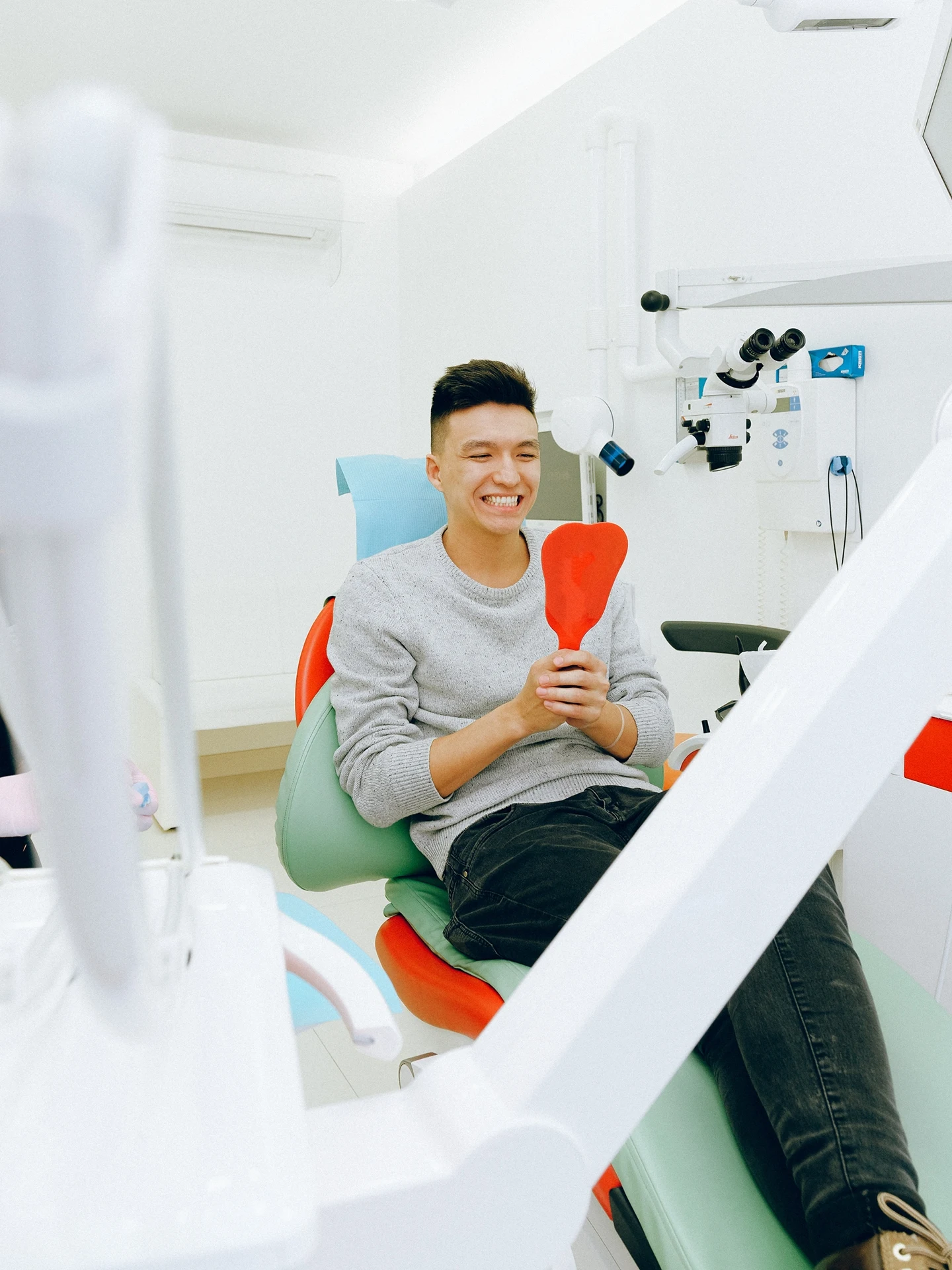
A man a the dentist
Photo by Anna Shvets

We understand that going to the dentist is something that many people dread. While most of us appreciate the end result of dental care, few of us love the procedure itself or the potential for physical or psychological discomfort.

You might be putting off dental care if you have dental anxiety or fear. You may be so afraid of the dentist that you avoid going even though you're in agony and have cracked, discoloured, or missing teeth, as well as a possible infection.


While you may be ready to put up with some discomfort because it is small in comparison to other health issues, keep in mind that your oral health might have an impact on your entire health. Oral diseases, such as gingivitis and periodontal disease, spread bacteria throughout your body. Oral infections have been linked to cardiovascular disease, respiratory infections, and poor management of other systemic disorders, including diabetes.

Fortunately, there are certain things we can do to make you feel less anxious, so you don't have to jeopardize your dental health.


Dental Phobia: How to Overcome It

If you want to avoid going to the dentist, consider the following suggestions:

Make your dentist aware of your fears. We value your sentiments and will work with you to conquer your fears, but we can't help until we know about them. As soon as you make an appointment, notify your dentist's office.
SHARE:

10 Simple steps to get happier and healthier

Photo by Sam Lion

Being grateful, performing acts of kindness, and enhancing one's health will pay off.
 
The year is already half gone and however, here's another resolution to add to the list: improve your health. This refers to your emotional and physical health as a whole, for which many individuals award low grades in national polls. However, we have recommendations to assist you in improving both.

1. Get happy
According to Dr. Ronald D. Siegel, assistant clinical professor of psychology at Harvard Medical School and faculty editor of Positive Psychology, a Harvard Special Health Report, you control approximately 40% of what defines happiness. In comparison, only about 10% can be attributed to good or bad luck. According to Dr. Siegel, it is not the events themselves that define our level of happiness, but rather our reactions to them. He suggests the following methods for enhancing your emotional health:
 
2. Be present in the moment
 When you're completely involved in something, you'll enjoy it more and worry less about the past and the future.
 
3. Be appreciative. 
Keeping a daily journal of gratitude increases pleasant emotions, optimism, life satisfaction, and social connection.

4. Do something for other people. 
Happiness is most reliably achieved by interacting with others and avoiding excessive self-focus. Try to engage in activities that benefit someone or something besides oneself.

5. Make a list of your skills and then utilize them in novel ways in your daily life. 
For instance, if you consider curiosity a strength, you should read about a new topic. Try something that causes you anxiety, like public speaking, if you consider yourself courageous. 

6. Savor the delight. 
Think back on good times, celebrate great events with people, and be proud of what you've accomplished.
SHARE:
© Melodyjacob.com - All Rights Reserved. Do not use contents from this blog without my premission.. Powered by Blogger.
Blogger Template Created by pipdig