
 |
| Photo by Saeed Khokhar from Pexels |
Happy 4th of July weekend! The grills are fired up, the coolers are packed with ice, and the countdown to the local July 4th fireworks show is officially on.
Whether you are hosting a massive backyard party or just relaxing with family, there is one thing everyone can agree on: 4th of July food is the absolute best part of the holiday.
But while we love the classic American cookout, it also sparks some incredibly fierce debates. Every family has that one relative who defends their secret potato salad recipe with their life, or the kid who thinks sparklers are better than the main event.
Let's settle the ultimate holiday arguments once and for all. Where do you stand on these four classic 4th of July traditions?
 |
| Child suffering from Kwashiorkor, found in Nigerian relief camps during the Nigerian–Biafran War, late 1960s (Center for Disease Control and Prevention, Atlanta, Georgia, USA/Public Health Image Library). By Dr. Lyle Conrad [Public domain], via Wikimedia Commons. |
The story of Nigerian independence isn't a neat, clean narrative. It's a raw history defined by the relentless extraction that spanned decades, and the bloody reality of resistance long before 1960.
The truth is, colonial rule in Nigeria was never about 'civilizing.' It was a calculated, military-enforced enterprise of economic exploitation. The British didn't come for friendship; they came for the wealth in the ground and on the farms—the palm oil, the cocoa, the groundnuts, the tin. They imposed a system designed to strip Nigeria of its raw materials and labour, deliberately crushing indigenous economies and discouraging food crops to ensure cash crops for British factories. The 'benefit' of infrastructure like the railways was purely to efficiently funnel these stolen resources to the ports. That was the core of the relationship for decades leading up to independence: a constant drain.
The fight wasn't a short, clean debate. Resistance was constant, bloody, and multifaceted. It didn't start with the famous nationalist leaders; it started when the British first arrived. You had the Aro-Anglo War (1901-1902), where the British launched a massive military expedition to finally establish control, costing many lives. You had the Women's War (Aba Riots) of 1929, a powerful, mass revolt by thousands of women against colonial taxation and the imposed Warrant Chief system. The British responded with violence, and by the time it was quelled, 55 women were officially recorded as killed, with many more wounded and uncounted. There were other uprisings and resistance movements across the North and South, where lives were lost fighting for local autonomy, not just national freedom. The actual toll of lives lost directly resisting the colonial military is buried in the euphemisms of 'punitive expeditions' and 'pacification,' but it is undeniably high.

Today, July 30th, is International Friendship Day, and it's got me thinking. I wanted to share a story about a particular friendship that started during my first year in University. I arrived somewhat reserved but totally open to making new friends. I naturally gravitated towards individuals from my own ethnic background, which led to my initial friendship with someone who appeared calm and genuinely relatable. She even had a familiar-sounding name, which just drew me closer. We attended classes together with other new students, and I genuinely considered her a friend, believing that she felt the same about me.
She even introduced me to one of my closest and longest-standing friends today. She made that important introduction. But here's where the story takes a turn: that person she introduced me to eventually became my housemate. I was living alone initially, but the landlord increased the rent, and I was searching for a new place. She mentioned that this other friend of hers was also looking for a place, and that's how I ended up living with my now closest friend.
Because we were all friends, the person who introduced us would often come over, sleep at our place, and stay with us, all the usual girl-girl things. We'd eat together and cook together, and we were truly happy with her being around. We never felt any competition with her, and I don't think she felt any with us either. At that time, I really believed it was a healthy, happy relationship.
After we finished medical school, my now closest friend gently pointed something out to me; this was about 6 years later. She said, "Do you know our friendship with this person is a bit one-sided?" I was so surprised! Then, she started listing things I had never once considered problematic. For me, it was just "how life was" or "how she was."
For instance, my closest friend and I would handle the groceries, pay for the light bills, and cover the rent. This person didn't contribute financially, and we were completely fine with that because we understood her limited cash flow from home. But my friend pointed out that whenever this person did have money, she'd go celebrate with other people, sometimes even girls who didn't truly consider her a friend. At one point, one of the girls discovered she was having something with her boyfriend, and all of her friends turned against her; they literally ganged up against her and almost devoured her. She ran back to us and we advised her again that such a lifestyle is not the best way to live. She had single guys asking her out, but somehow she preferred those with girlfriends; I can never understand why.
There were so many other examples that I never saw as wrong. She would take cash from us for things like University workbook, needing cash in general for little things and sometimes never paid it back. I didn't really see it as an issue. I just assumed she didn't have enough at that point or had other debts or things to do. My closest friend, however, wasn't okay with how she handled things toward us being her friends and only mentioned the situation to me after we finished university. This person would buy gifts for girls she wanted to befriend but did not get us things and I never really had an issue with it despite her taking from us and I was totally ok with it and never saw it as a problem.
One summer, she was involved with another girl's boyfriend while that girlfriend was away on a summer holiday in her home country. She even got him a fancy mug and showed it to me; she could not wait to gift him the mug, and she was hopeful it might turn into a relationship, from what I perceived. I might be wrong. I told her the mug was lovely, and I really loved that it was so artistic and cute. She has excellent eyes for things, but I also warned her that a summer fling like that, hurting someone else, would only lead to heartbreak for her and issues between her and the guy's girlfriend when she returned. She didn't listen, and when the girlfriend came back, the guy stopped talking to her, and she came crying to us. She made many questionable decisions, and we were always there for her, warning her when she was wrong.
There was even a time we had a private conversation among us girls about something, and she went and told the guy she was seeing (the one whose girlfriend and her friends ganged up and confronted her). I found out about this because she used my laptop to log into Facebook. She sometimes used my laptop, and we generally didn't care about whether Facebook was logged in on it while someone else was using it. We were free, just being friends but she shared our conversation with him. She left her Facebook open, and my closest friend happened to be using my laptop when she saw a message pop up and realized this person had shared our private conversation with him. Even then, I didn't confront her. I just forgot about it and moved on. I felt she was my friend; she made a mistake and that was okay.
But knowing what I know today, I can't say she gave a damn about us. And that's fine. When my friend told me how she felt about our friendship with this person, we just ended up laughing about it; we made jokes out of it, and that's where we left it.
You might be wondering why I'm sharing all this today. It's because it's International Friendship Day. This story is a powerful reminder to cherish the truly good friends in your life. My closest friend taught me so much about boundaries and genuine connection and friendship. I used to be quite naive, always giving, always forgiving (which is good), and never questioning if I was being taken advantage of. My friend always wondered why I never had an issue with the way that friendship dynamic was, why I didn't see us being used, especially when this person would spend money on makeup for herself or gifts for others but did not really contribute to our shared living expenses. She asked me, "Why didn't you see it? Why does she only come to us when things go wrong and then celebrate her wins with others?" I truly told her I felt it was okay because I know she didn't have much. My friend then replied to me and said, What about when she did have, and she'd go celebrate with others?" or why was she not proud of us being her friend? I answered my friend by saying, "Maybe we are not as cool as people she wanted to hang out with," and we both burst into laughter. We laughed at ourselves and gave that girl 2 and ourselves 0, like in a football match, hahahaha.

Happiness is not just an emotion; it’s a way of life. Every year on March 20th, the world comes together to celebrate the International Day of Happiness, a day dedicated to recognizing the importance of joy and well-being in our lives. But what does it truly mean to be happy? And how can we embrace happiness even in the midst of life’s inevitable challenges?
The Science of Happiness: Insights from the Happiness Lab
Zillmer’s studies reveal that older individuals, particularly those over 60, tend to report higher levels of happiness than their younger counterparts. He attributes this to life experience, emotional resilience, and a deeper sense of self-acceptance. Interestingly, he points out that the United States is one of the few countries that has written the right to the pursuit of happiness into its constitution, alongside life and liberty.
The Pursuit of Happiness: A Universal Right
The concept of happiness is deeply rooted in history. When Thomas Jefferson drafted the Declaration of Independence in 1776, he emphasized the right to pursue happiness as a fundamental human right. Scholars continue to debate what he truly meant by that phrase, but one thing is clear—happiness is something worth striving for.
The Beyond Happiness Method: Marilyn Horowitz’s Approach
Marilyn Horowitz, a trauma specialist and founder of the Beyond Happiness Method, offers a unique perspective on finding joy, even during difficult times. She believes that happiness isn’t just about external success but about getting into the right emotional, mental, and spiritual place before embarking on any new journey.
Horowitz highlights how economic struggles, political uncertainty, and relationship challenges can hinder our ability to feel happy. Her solution? Hugs. Yes, something as simple as a warm embrace can help foster a sense of connection and joy. According to Horowitz, embracing small moments of positivity—whether through a hug, an act of kindness, or a simple moment of gratitude—can be life-changing.

St. Patrick's Day 2025 is shaping up to be an unforgettable event! Whether you're Irish by blood or just enjoy the festivities, this year's celebration promises a mix of cultural events, creative trends, and tons of fun. From iconic Guinness drinks to eco-conscious green fashion, let's dive into how to celebrate St. Patrick's Day, what's trending this year, and some awesome places around the world where you can join in on the festivities. Get ready to enjoy the luck of the Irish in style!
Green Food & Drinks
First up, let's talk about the green! No St. Patrick's Day is complete without some seriously green food and beverages. This year, there's a shift toward natural food dyes, with spinach powder gaining popularity for turning everything from cupcakes to cocktails into vibrant green treats. Not only is it healthy, but it's a win for sustainability! Check out this guide from Serious Eats for the best natural green food coloring alternatives.
Don't forget the drinks – Guinness is always the star of the show. This year, though, there's a fun viral trend called "splitting the G," where drinkers aim to sip their pints exactly to the center of the Guinness logo. Whether you're a fan of the classic stout or prefer a more colorful cocktail, make sure to enjoy your drinks in the spirit of the day!
1. Guinness Consumption Hits a New High
The Cheltenham Festival in the UK is gearing up for a Guinness consumption surge, with an estimated 380,000 pints expected to be poured throughout the festival. That's a 43% increase from 2024! This spike in consumption is attributed to the popular 'splitting the G' trend. If you're attending this festival or any other Irish-themed event, expect Guinness to be flowing like never before.
2. St. Patrick's Day Events in Savannah, Georgia
Savannah, Georgia, is home to one of the oldest and largest St. Patrick's Day celebrations in the United States. This year, get ready for parades, the greening of fountains, and cultural ceremonies that reflect Savannah's deep Irish heritage. Expect thousands to fill the streets in celebration. If you're looking for an authentic, fun-filled experience, Savannah is a must-visit location this year!
3. St. Patrick's Day Festivities in Glasgow
Over in Glasgow, Scotland, there's no shortage of activities for St. Patrick's Day 2025. From LUSH workshops where you can create your own bath bombs to performances like 'Ireland The Show' at The Glasgow Royal Concert Hall, there's something for everyone. The Stiff Little Fingers concert on March 17th is a must for music lovers looking to soak in some punk rock vibes.
4. Warm Weather or a Chill?

Above the flowers, chocolates, and all the beautiful messages that will be sent to women around the world, if there is anything I would tell a woman today, it is this: Plan like you are alone, walk like you are alone, be conscious of yourself, and never let anyone play on your emotions. Be slow to speak, act in silence, and pray for God’s covering.
As we all celebrate Women's Day in our various countries and ways, I pray that the blessings that come with Women's Day be released unto every woman. May God guide you, keep you, protect you, and see you through.
For everyone going through a hard time in any area of life, remember to put yourself first. It’s never a perfect world, and there is no such thing as a perfect home—do what you can and allow others to contribute. Be strong and courageous.
This Women's Day is a calm and refreshing one. Today, I am going to feed the ducks with bread at Springburn Park. I always enjoy the morning sunshine—the way it hits my skin is a beautiful feeling. So, I’m spending my Women's Day feeding ducks, taking a simple walk around the park, and letting the sun soak into my skin.
Before heading there, we stopped by the mall to grab some Greggs—because hey, it’s Women’s Day, and a little treat never hurt! Not the healthiest choice, but totally worth it. I had a ham and cheese baguette with orange juice, while he went for potato wedges with sweet sauce.
Now, my partner didn’t exactly seem super hyped about Women’s Day, which I wasn’t thrilled about—but honestly, I didn’t care hahaha! Because today was all about me! I had a great time just sitting in the park, watching people walk by, and soaking in the moment.

The Welsh celebrate St. David's Day on March 1st as a special occasion to honor their patron saint, St. David. No matter if you’re Welsh or not, this day is a wonderful chance to explore Welsh culture, soak up the fresh air, and take part in some really meaningful traditions. From exciting outdoor activities to cozy indoor events, St. David’s Day can be an occasion for everyone to enjoy. Check out these fun and engaging ways to celebrate St. David’s Day, no matter where you find yourself!
1. Explore Welsh Culture with Traditional Music
A wonderful way to celebrate St. David’s Day is by diving into some traditional Welsh music. If you’re at home, you can create a playlist of Welsh hymns and folk songs to set the mood. Alternatively, you can attend a local concert or performance celebrating Welsh music. You’ll experience the beautiful sounds of the harp, guitar, and other traditional instruments while learning about Welsh history and traditions.
2. St. David’s Day Parade
If you get a chance to participate in a St. David’s Day parade, it's a fantastic way to embrace the celebration. These parades, especially in cities like Cardiff, feature colorful costumes, lively music, and dancing. Welsh people take pride in wearing their national symbols, such as the daffodil and leek, which are recognized as official emblems of Wales. Don’t forget to wear your own daffodil or leek and join the vibrant crowd!
3. Welsh-Themed Feast
Nothing brings people together like food, and St. David’s Day is the perfect excuse to indulge in some traditional Welsh cuisine. You can tale along your own Welsh dishes like cawl (a hearty vegetable soup), Welsh rarebit (a cheese-based dish served on toast), or laverbread (a type of seaweed served with breakfast). Pair your meal with a Welsh beer or cider for the full experience. If you don't like cooking, you can purchase from a restaurant or get a cookbook that can serve as a guide to making the dishes. Many restaurants and pubs across Wales have these traditional Welsh dishes on their menu on St. David’s Day.
4. Outdoor Hiking or Walking
For those who want to enjoy the great outdoors, St. David’s Day offers the perfect excuse to go hiking or walking in nature. Wales is known for its stunning natural landscapes, including mountains, forests, and coasts, so take a scenic walk to enjoy the beauty of the Welsh countryside. Whether it’s a casual stroll or a more challenging hike, being in nature is a wonderful way to celebrate St. David's Day and appreciate the natural beauty that Wales has to offer.
5. Attend a Welsh Language Class or Workshop
Do you know that St. David’s Day is a great time to connect with Welsh heritage? I mean, what better way to do so than by learning the Welsh language? Many community centers, universities, and online platforms offer Welsh language classes and workshops. Even learning a few phrases, such as “Dydd Gŵyl Dewi Hapus” (Happy St. David’s Day), will give you a deeper appreciation for the language and culture.
6. Make Welsh Crafts or Decor
If you enjoy getting crafty, why not make your own Welsh-inspired decorations or crafts? You can try creating paper daffodils, weaving leeks out of green paper, or crafting Welsh flags. These simple activities can bring the whole family together and help you create lasting memories. If you're feeling adventurous, try your hand at making traditional Welsh love spoons, which are carved wooden spoons that symbolize love and friendship in Welsh culture.
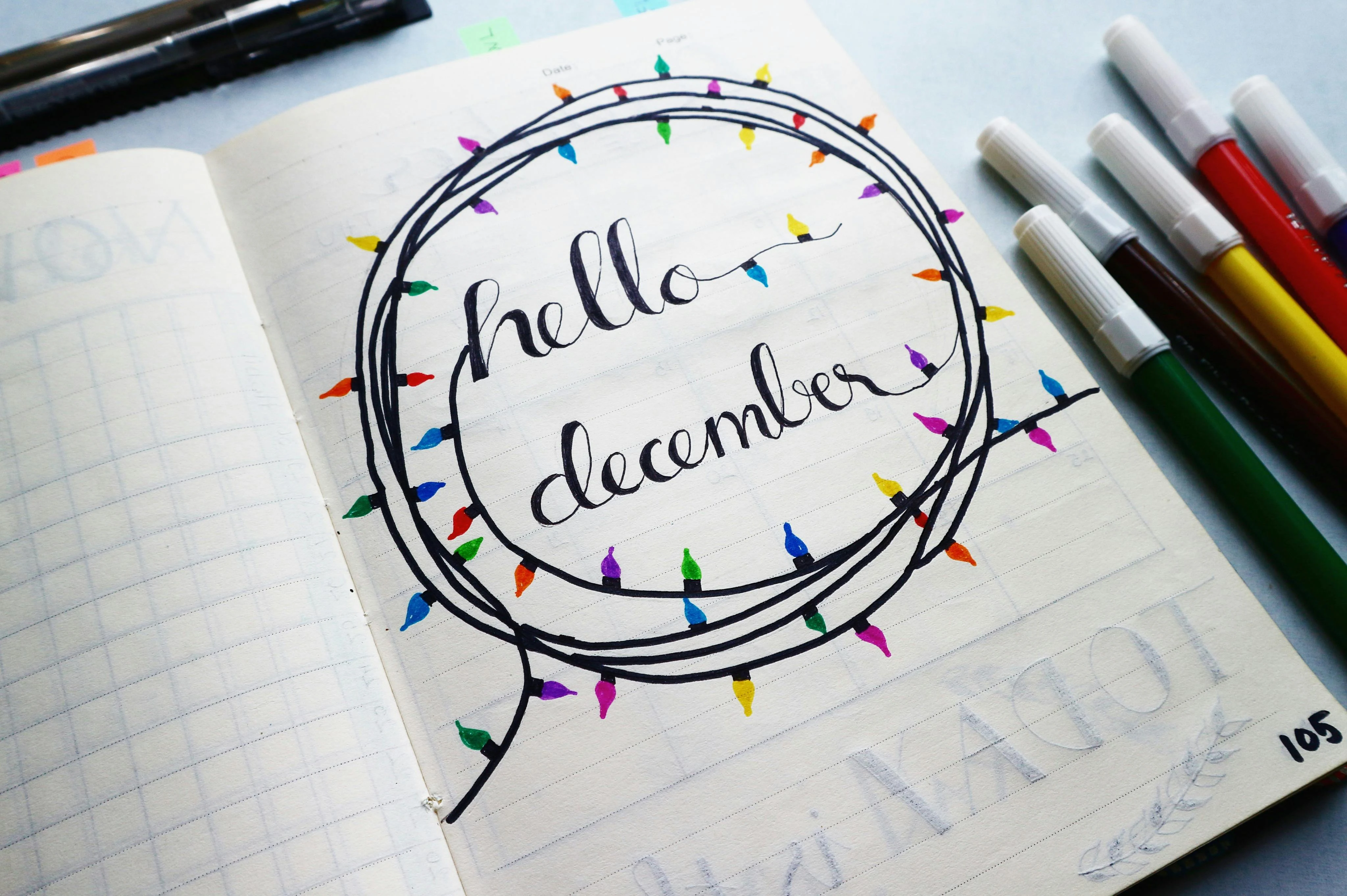


I’m so excited that the year is coming to an end! You know, I’ve come to understand that every journey counts, no matter how tiny or seemingly insignificant. It’s all part of the big picture. Yes, Christmas is just around the corner, but before we dive into the holiday spirit, I want to wish you a happy new month! I also want to take this opportunity to celebrate my country, Nigeria, as we mark our independence. Happy Independence Day, Nigeria! 🎉 As we celebrate 64 years of freedom, let’s hold onto hope for a better future and greater days ahead. Nigeria gained its independence from British colonial rule on October 1, 1960, and tomorrow, October 1, 2024, we’ll be 64 years old!
Here are some fun facts about Nigeria you may not know:
1. Most Populous Country in Africa: Nigeria is the most populous country in Africa, with over 220 million people.
2. Diverse Ethnic Groups: There are more than 250 ethnic groups in Nigeria, with the three largest being the Hausa, Igbo, and Yoruba.
3. Official Language: English is the official language of Nigeria, a remnant of British colonial rule.
4. Nigerian Pidgin: Besides English, Nigerian Pidgin is widely spoken and serves as a lingua franca across the country.
5. Cultural Heritage: Nigeria is rich in cultural heritage, with over 500 festivals celebrated annually, showcasing its diverse traditions.
6. Nollywood: Nigeria has the second-largest film industry in the world, known as Nollywood, producing thousands of films each year.
7. National Anthem: Nigeria’s national anthem, "Arise, O Compatriots," was adopted in 1978 and emphasizes unity and patriotism.
8. Rich Natural Resources: Nigeria is one of the largest oil producers in Africa, contributing significantly to its economy.
9. Lake Chad: Lake Chad, located in the northeastern part of the country, is one of the largest lakes in Africa but has significantly shrunk in size over the years.
10. Football Passion: Football (soccer) is the most popular sport in Nigeria, with the national team, the Super Eagles, being a source of national pride.
11. Traditional Cuisine: Nigerian cuisine is known for its rich flavors, with staples like jollof rice, pounded yam, and egusi soup being widely enjoyed.
12. Music Influence: Nigeria is known for its vibrant music scene, giving rise to genres like Afrobeat, highlife, and juju music.
13. Gidi Culture: Lagos, Nigeria’s largest city, is often referred to as "Gidi," a term that reflects its dynamic urban culture.
14. Literary Giants: Nigeria has produced several renowned writers, including Chinua Achebe, Chimamanda Ngozi Adichi and Wole Soyinka, both celebrated for their contributions to literature.
15. Osun-Osogbo Festival: This annual festival honors the river goddess Osun and attracts visitors from around the world.
16. The Niger River: The Niger River, one of the longest rivers in Africa, runs through Nigeria and is crucial for agriculture and fishing.
17. World's Largest Hand-Painted Mural: Nigeria is home to the world’s largest hand-painted mural, located in Lagos, showcasing the country's vibrant culture.
18. UNESCO World Heritage Sites: Nigeria boasts several UNESCO World Heritage Sites, including the Aso Rock and the Sukur Cultural Landscape.
19. Educational Hub: Nigeria has some of Africa's most prestigious universities, including the University of Ibadan and Obafemi Awolowo University.
20. Youthful Population: With over 60% of its population under the age of 25, Nigeria has one of the youngest populations in the world, representing a vibrant and dynamic future.
Let’s celebrate our journey and embrace the beauty and richness of Nigeria as we look forward to what’s next! Happy Independence Day! 🇳🇬

Every May 20th, World Bee Day commemorates the indispensable contribution of bees and other pollinators to our ecosystems and food security. This date holds significance as it honors Anton Janša, a Slovenian innovator in modern beekeeping, who was born on May 20, 1734, and pioneered the first beekeeping school globally. Bees not only produce honey and wax, but also play a crucial role in pollination, facilitating the transfer of pollen between plants, which is essential for fertilization and reproduction. Their pollination efforts impact 75% of the world's crops and 90% of wild flowering plants, fostering biodiversity, climate resilience, and human sustenance. However, bees and other pollinators confront numerous threats, including habitat loss, pesticides, diseases, invasive species, and climate change, jeopardizing their survival and diversity.
World Bee Day aims to raise awareness of these challenges and advocate for actions to protect and preserve bees and their habitats, such as planting bee-friendly flowers, avoiding pesticides, and supporting local beekeepers. This annual observance serves to highlight the critical role of bees and other pollinators in maintaining a healthy planet while shedding light on the obstacles they face, such as habitat loss, pesticide exposure, and climate change. Here are some ways you can participate in this important cause:
Here are some ways to support bees and pollinators:
- Plant Bee-Friendly Flowers: Choose flowers that attract bees like lavender, sunflowers, and wildflowers to provide them with food and shelter.
- Avoid Pesticides: Reduce or eliminate the use of harmful pesticides in your garden and opt for natural alternatives to protect bees and other beneficial insects.
- Support Local Beekeepers: Purchase honey and other bee products from local beekeepers to help sustain their livelihoods and maintain bee populations.
- Educate Youth: Involve young people in beekeeping activities and conservation efforts as they are the future stewards of our environment.
- Remember, you don’t have to be a beekeeper to make a difference. Even small actions collectively contribute to the well-being of bees and pollinators! 🐝🌼

In the first person, the child looked up to
The one who shows the purest love
smile of the world, a ray of sunshine
Joy Giver, Discipline Dispenser
Maami, Nne'm, and Uwata
You are so great that the word "amazing" doesn't do you justice.
Thank you for everything you do.


On behalf of Melody Jacob Brand, I would like to express our gratitude to you for your support throughout the course of this year. Because of you, we are able to write, review, and publish content; without you, none of this would be possible.
I give thanks to God for the wonderful year that has just passed and I look forward to 2023. I want to guarantee you that I will provide the finest service and response possible. I'm looking forward to building a long-term relationships with bloggers, readers, publishers, and brands that will benefit us all.
Please accept my best wishes for a prosperous and successful new year.
Yours faithfully
Melody Jacob Brand
|



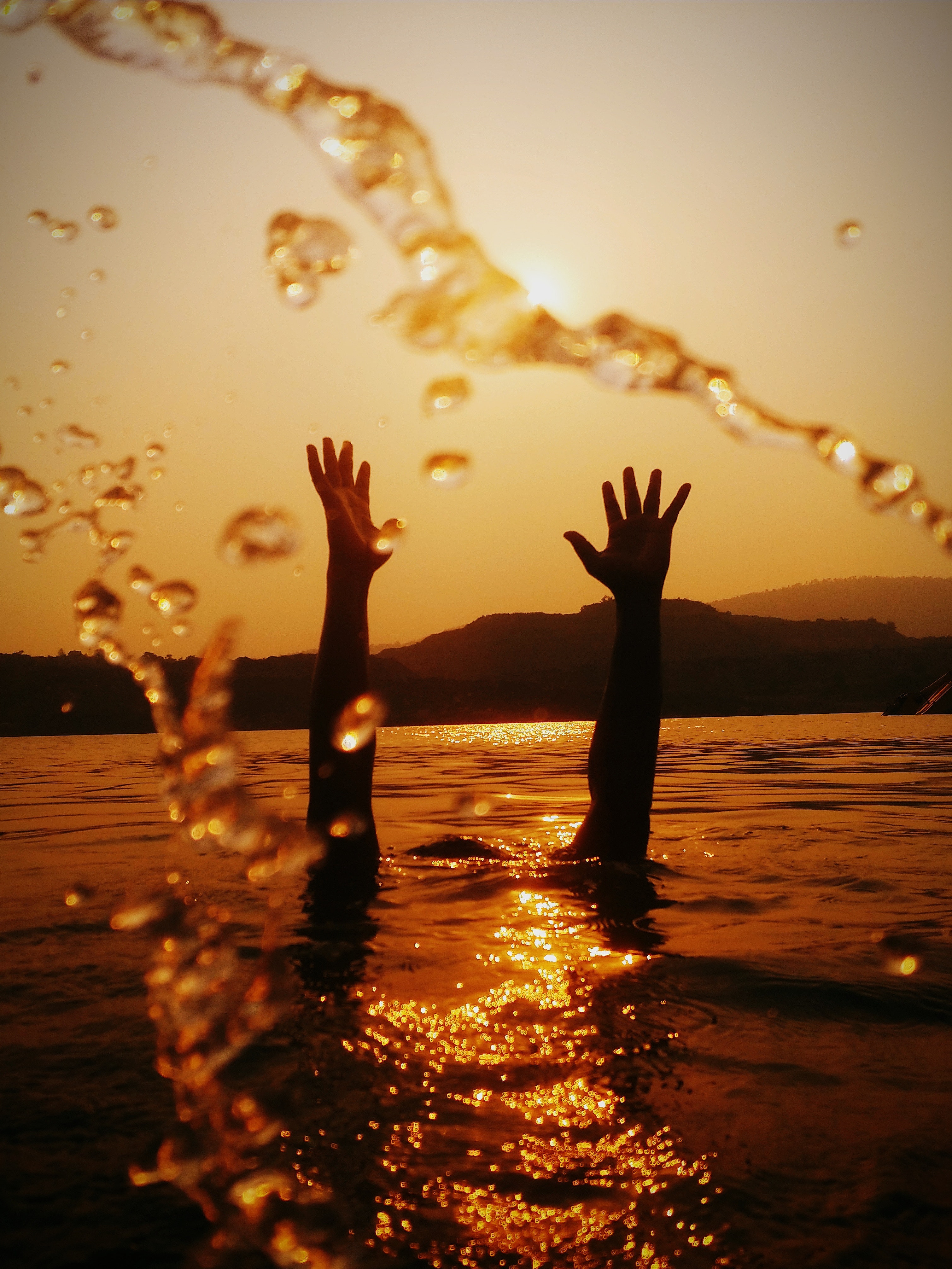
The 25th of July is World Drowning Prevention Day, as designated by the April 2021 UN General Assembly Resolution A/RES/75/273 "Global drowning prevention."
Key messages
Who is able to donate blood?

