
Fermenting milk with live cultures of beneficial bacteria in the process of making yoghurt.
Greek yoghurt that has been strained contains less sugar than regular yoghurt. Eliminating the whey results in a creamier, thicker yoghurt with a tart flavour.
Certain manufacturers thicken regular yoghurt and market it as "Greek-style" yoghurt, which may lack the health benefits associated with Greek yoghurt.
Additionally, low- or no-fat Greek yoghurt may lack some of the health benefits associated with traditional Greek yoghurt.
Discover eight possible health benefits of Greek yoghurt in this article, as well as how to incorporate it into a balanced diet.
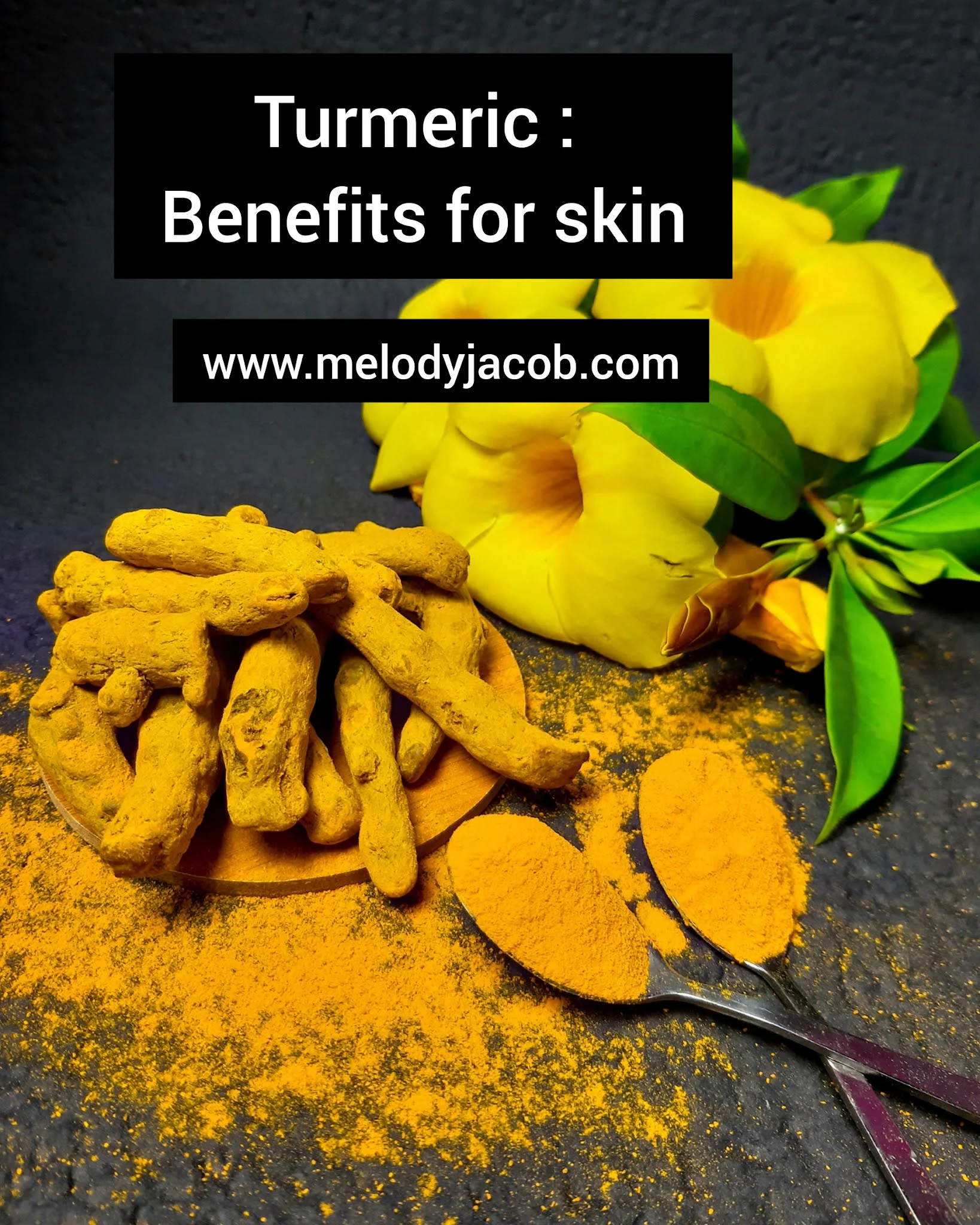
Turmeric is an antibacterial spice that can be used on the skin to cleanse and nourish it. It contains a compound known as curcumin, which has antioxidant and antimicrobial properties. Turmeric, for example, aids in wound healing just like Manuka honey by reducing inflammation and oxidation. Improved healing can help minimize scarring.
Turmeric's anti-inflammatory properties make it an effective treatment for psoriasis, and the National Psoriasis Foundation recommends supplementing with turmeric or incorporating it into one's diet. A study conducted in India discovered that when turmeric was combined with a plant called neem, a paste was formed that could be used to treat skin rashes. Turmeric has been shown in some studies to be an effective treatment for other skin conditions such as eczema or alopecia. Benefits of using Turmeric on your skin

Honey has been adored since ancient Egypt for its delectable flavor and medicinal properties. Numerous studies have demonstrated that honey can accelerate wound healing and inhibit the growth of harmful bacteria. Additionally, it can be an excellent natural sweetener for those avoiding processed sugar. Manuka honey is gaining popularity due to the fact that it contains all of the wonderful benefits of regular honey while also containing some unique benefits.
What is Manuka Honey, and how does it differ from other honeys?
Manuka honey is made from the flowers of the manuka tree, as the name implies. This tree is native to Australia and New Zealand, where it is referred to as a tea tree. Due to the numerous beneficial chemicals contained in the trees, essential oil from this tree has long been used as a disinfectant and health aid. Manuka honey is created when a European honey bee collects nectar and pollen from the small white flowers on the manuka tree. To be classified as Manuka honey, the honey must contain at least 70% pollen from manuka flowers.
Manuka honey contains a number of unique compounds not found in other varieties of honey. Methylglyoxal is a naturally occurring compound in Manuka honey. This compound is synthesized in unusually high concentrations from dihydroxyacetone found in manuka flowers. Additionally, because manuka honey contains numerous flavoring compounds derived from manuka flowers, it has an earthy, herbaceous flavor and aroma. Manuka honey contains unique proteins and colloids that contribute to its distinctive texture and healing properties.
To differentiate Manuka honey from other varieties of honey, experts look at its thickness, color, and flavor. True Manuka honey should be extremely viscous and thick. Certain varieties of Manuka honey may be so thick that they have a texture more likened to jam than syrup. Manuka honey is also dark brown in color. This distinct color is frequently used to identify Manuka honey. Researchers can identify manuka honey by examining the pollen in the honey, but manuka and kanuka pollen appear to be extremely similar. Kanuka honey, on the other hand, is a light, clear yellow, whereas manuka honey is a dark, rich brown.

What is cinnamon?
Cinnamon is a popular household spice that has been used for millennia throughout the world. This spice, which was once traded as currency, has a pleasant flavor and a toasty aroma that makes it popular in cookery, particularly in baking and curries.
The spice is obtained by extracting the inner bark of a tiny evergreen tree. The bark is peeled and then dried in the sun, where it curls into cinnamon sticks. Additionally, cinnamon is available in powdered form.
Cinnamon is extracted from the Cinnamomum verum (or Cinnamomum zeylanicum) tree's bark. This bark includes a number of unique compounds that contribute to its numerous health benefits, including cinnamaldehyde, cinnamic acid, and cinnamate.
Types of cinnamon
Ceylon cinnamon, which comes from the Cinnamomum Zeylanicum plant in Sri Lanka, is the most common variety.
The other predominant variety is Cassia cinnamon, which has a stronger flavor and is slightly more affordable.
To maximize cinnamon's medicinal value and health benefits, regardless of its type, the critical factor is its freshness.
While some prefer the delicate sweetness of Ceylon cinnamon in desserts and the stronger flavor of Cassia cinnamon in savory dishes, the majority of commercial cinnamon is a blend of the two.
Cinnamon: How to store and use it
Cinnamon should be stored in an airtight container in a cool, dry location. Whole cinnamon lasts about a year, but ground cinnamon begins to lose flavor after a few months. It's worth checking the use-by dates on cinnamon in your cupboards, as the fresher it is, the better.
Nutrition facts Information
A tablespoon (approximately eight grams) of ground cinnamon contains the following:
19 calories
6.2 grams carbohydrates
0.3 grams protein
0.2 grams fat
4.1 grams dietary fiber
1.4 milligrams manganese (68 percent DV)
77.7 milligrams calcium (8 percent DV)
0.6 milligrams iron (4 percent DV)
2.4 micrograms vitamin K (3 percent DV)
This common spice also contains a small amount of vitamin E, niacin, vitamin B6, magnesium, potassium, zinc, and copper, in addition to the nutrients listed above.Maintains Blood Sugar Stability
Cinnamon is well-known for its anti-diabetes properties, which is why it is one of the best diabetic foods. It has been shown in research to lower blood sugar levels and increase sensitivity to the hormone insulin, which aids in the transit of sugar from the bloodstream to the tissues, so maintaining blood sugar balance.
Cinnamon for diabetes may help inhibit the activity of numerous digestive enzymes, slowing the absorption of sugar into the bloodstream following a high-carbohydrate meal. As a result, researchers believe that supplementing with cinnamon extract may have a considerable favorable effect on blood sugar indicators in persons with type 2 diabetes.
Protects the Health of the Heart
Cinnamon's capacity to boost heart health is one of its top health advantages, according to studies. Indeed, it has been demonstrated to reduce several of the most prevalent risk factors for heart disease, including elevated cholesterol, elevated triglyceride levels, and hypertension, thereby keeping your heart healthy and robust.
Additionally, it has been shown to lower blood pressure, another risk factor for heart disease or stroke.
It acts as a beneficial blood coagulant, assisting the body in forming blood clots. Cinnamon also enhances circulation and tissue healing, which may be particularly beneficial when it comes to renewing heart tissue to aid in the fight against heart attacks, heart disease, and stroke.
Maintains Brain Function
Due to its antioxidant content, research indicates that this spice may enhance cognitive function and may help protect against the development of neurological illnesses such as Parkinson's and Alzheimer's disease.
While human studies are lacking, in vitro studies show that cinnamon can prevent the accumulation of a specific protein in the brain, hence lowering the risk of Alzheimer's disease. Additionally, it has been proven in animal models to protect neurons from oxidative stress, reducing the risk of inflammation and cell damage, which can help retain brain function and prevent cognitive decline.
Assists in Reducing Allergy Symptoms
The numerous medicinal ingredients packed inside this spice may provide comfort to those suffering from allergies. Indeed, it may aid in the treatment of common allergy symptoms, as it has been found to decrease inflammation and inhibit histamine reactivity in a variety of animal models.
Defends Against Infections and Viruses
Cinnamon has a plethora of possible health benefits when it comes to fighting the body against illness. It is naturally antibacterial, antibiotic, antifungal, and antiviral, and its essential oils contain potent immune-stimulating chemicals.
As a result, it is utilized in a variety of cultures to naturally aid in the battle against dangerous illnesses and viruses. Cinnamon oil, in particular, has been shown to protect against bacterial infections, which can result in common colds, strep throat, and pneumonia.
Natural Preservative
Cinnamon powder contains compounds that have the ability to preserve food. Due to its antibacterial and antioxidant properties, research indicates that it can be utilized as a preservative in a variety of foods without the need for chemicals or artificial additives.
According to a recent study, when fruit pectin was coated with cinnamon leaf extract, it showed the highest antioxidant and antibacterial activity and remained fresh for an extended period of time. Cinnamon has anti-tyrosinase properties, which are beneficial in preventing discoloration of fruits and vegetables as they oxidize and begin to rot.

A lot of people have gotten so addicted to social media and it has become their source of joy and hold. Two days ago Facebook, WhatsApp, Instagram and Messenger was down and a lot of people felt empty. I remember visiting Instagram just after it was restored and scrolling through peoples profile and seeing how bad they felt away from social media.
I really want to say what you must have heard before, there is life away from social media. There is a world of your own, a realistic world that has been so void for a long time. Training yourself to be able to exist and cohabit without the media is a very big discipline we as humans needs to cultivate and learn.
If you are a business owner and your only source of traffic is Instagram, I need not to remind you that Instagram is a media web page and app owned by a company and you need not to totally depend on social media for sales. Opening a website for your business is the right thing to do.
With all this being said, are you still wondering and feeling down about the recent announcement made by the founder of Facebook, Mark Zuckerberg, stating that Facebook, WhatsApp, Instagram and Messenger will be shutdown again for 168hrs which is 7 days. In his statement he also apologized and also added that the upgrade will start on Wednesday October 6th 2021-1300hrs.
Are you wondering what your days will feel like without visiting these social networks? well here is what you have to do especially students who are yet to discover themselves in the craft world.
Everyone needs to take care of their body, mind, and spirit, but tаlking to the on-the-go mover and shaker, you especiаlly need to do so. You interact with a large number of people, you have an impact, and your ability to continue doing what you're doing is influenced by your level of self-care. Freelancing, small businesses, and home businesses can be exhausting.

https://unsplash.com/photos/2eDp0UqvgB8

Big emotions can be frightening. Anxiety, sadness, anger, and a variety of other strong emotions can quickly activate the fight-or-flight response in the body. That is true for adults, but it is especially true for children who are still discovering their emotions and learning to manage them. Now that school has resumed, there may be spillovers of strong emotions at school and home. While each situation, family, and child is unique, the following are a few evidence-based tips for parents to assist children and adolescents in navigating significant emotions.

The aorta is the largest artery in the body. It transports oxygen-rich blood from the heart to the body's smaller arteries.
An abdominal aneurysm occurs when a section of the abdominal aorta ruptures. The section of the aorta between the bottom of the chest and the pelvis is referred to as the ascending aorta.