
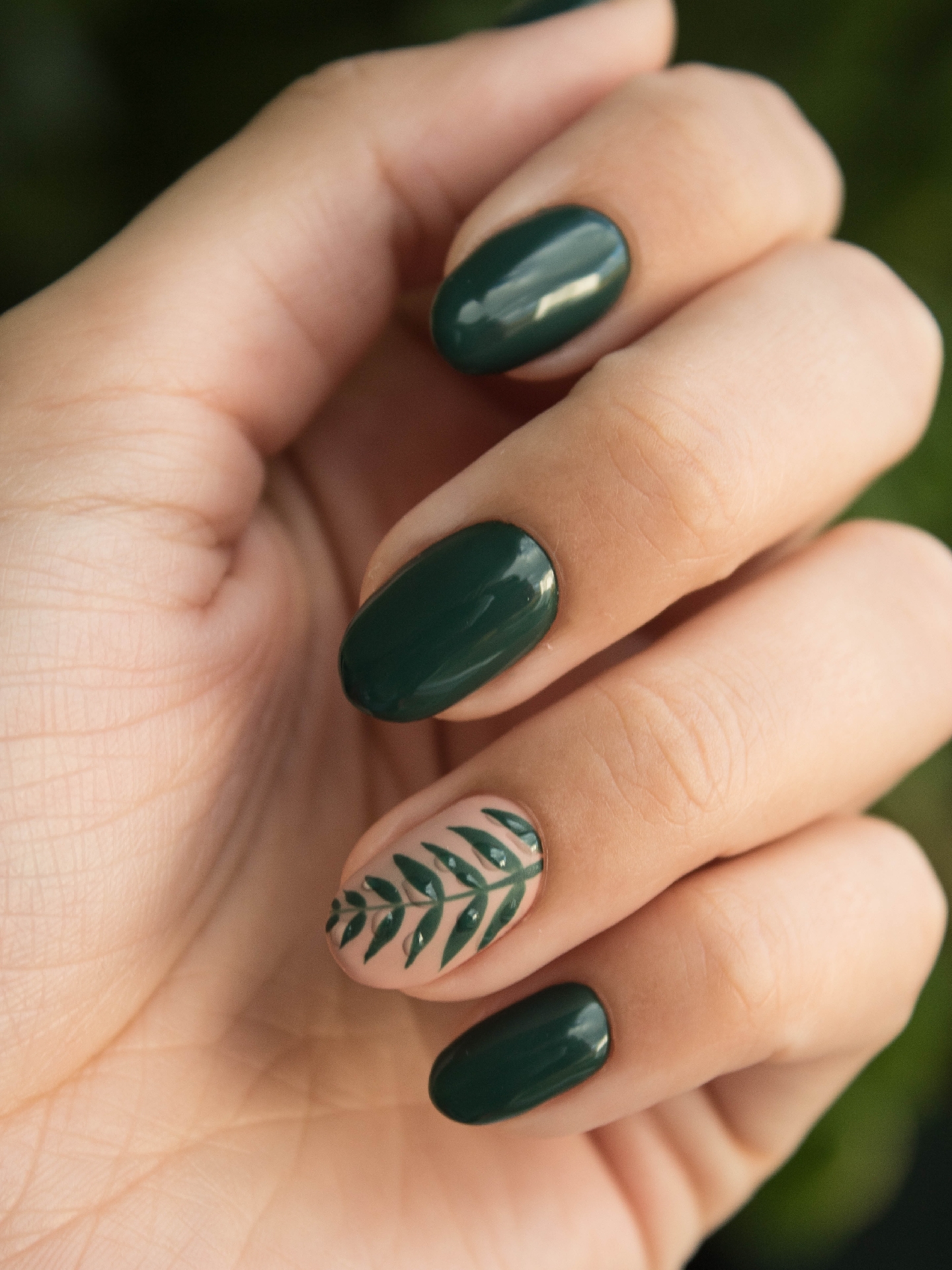
People have long been trying to figure out how they can have manicured nails that last without chips and breaks until they’re ready to switch the design. You probably got your start in nail decoration with plain nail polish. It likely took you a few tries to get the hang of painting a nice smooth coat on each nail while avoiding the skin around it and to get your non-dominant hand to learn the action of painting your nails. Once you more or less mastered the process of painting your nails, you would have noticed that your painstakingly-applied polish didn’t last very long before chipping. All that hard work for a manicure that maybe lasts a day or two in peak

Positive Psychology
You're excited to start looking at engagement rings, and you're wondering if a blue sapphire might be the way to go. With its rich colour and long history, the blue sapphire offers you a different option from the traditional diamond: It's less expensive, rarer, and can come with its share of myths. So what's the verdict? Below are seven reasons a blue sapphire engagement ring might be right for you.

https://cdn.pixabay.com/photo/2017/07/24/18/47/color-2535676__480.jpg
They are the most valuable gemstones after diamonds.
Blue Sapphires are the most valuable gemstones after diamonds. The value of a sapphire engagement ring relies on the colour, clarity, and cut of the stone as well as its carat size. Sapphires come in many different colours, including; yellow, orange, green, and violet, but blue is by far the most popular colour due to its rarity in nature compared to other coloured sapphires.
Pink sapphires are typically the least expensive type of sapphire because they’re rarer than any other colour. Sapphires are also more valuable than rubies (and emeralds), making them an excellent choice for your engagement ring. If you are looking for a unique sapphire engagement ring, you can find it here.
They have a rich history and are associated with royalty.
Sapphire is the birthstone for September, the gemstone for the 9th wedding anniversary, and the gemstone for the 23rd wedding anniversary. It's also associated with royalty.
The first known use of sapphire as a gemstone was in ancient Egypt. Around 2600 BC, Egyptians used sapphires to decorate amulets worn by pharaohs and priests; this was believed to bring them great power in life after death. Many ancient cultures believed that wearing one would bring you good luck throughout your life!
Sapphire has been used for centuries by kings and queens all over Europe—and it appeared in many paintings depicting scenes from Shakespeare's plays during his period because it was thought to symbolize truthfulness and sincerity!
They make a bold fashion statement.
But blue sapphire engagement rings aren’t just a great choice because they’re beautiful, durable, and timeless. They also make a bold fashion statement. Blue sapphire engagement rings are a great option for someone who wants to stand out from the crowd and make an impression with their ring. For example, if you want your friends or family members to know that you’re engaged without them having to ask, then this is the way to go!
In addition, these rings have been popular among celebrities lately because they have become known as “the rock of the season.”
Madrid, Spain
For a sunny, cultural, and delicious food-filled long stay in Europe, look no further than Madri. More specifically, Amor de Dios 17 Boutique Hotel is set within a Madrid townhouse in a quiet street in the center of the city. It’s located between must-visit Plaza Mayor (Madrid’s expansive and atmospheric main square) and the Prado Museum (housing Spain’s largest national collection of art and one of the largest collections in the world). First, go sightseeing and then settle in with late-night dinners at bars and beer gardens such as Cervecera Restaurante Plaza Mayor, which has outdoor seating right on the plaza and is a wonderful place to people-watch. The Santa Eulalia Boulangerie Patisserie, a 15-minute walk from the hotel, is a wonderful place to grab a cup of coffee and some freshly baked bread and pastries for breakfast.


Munich has many strings to its bow; surrounded by easily accessible, resplendent nature and known for its great beer, bakeries, and pleasant pace of life, the Bavarian capital is a great place to try to settle into the local scene. To treat yourself to a little luxury while doing so, spend your long stay at Schwan Locke, where studio apartments boast modern, playful interiors in a soothing pastel and earthy color palette.

Bath, United Kingdom
Named after its Roman-built baths, this elegant city is home to a multitude of world-class spas, making it an extra relaxing and idyllic long-stay location. And at Hiding Space—Trim Street Apartments, guests even have a hot tub on a rooftop with amazing views of the city in all its architectural grandeur. Cultural events, exhibitions, concerts, and more fill Bath's year-round calendar of events, while the city's tearooms, gastropubs, and posh restaurants are sure to please foodies. Return to your Trim Street apartment after a day of seeing the city and admire the glistening nighttime view of Bath Abbey from the rooftop of the building.

How to Overcome Dentist Fear
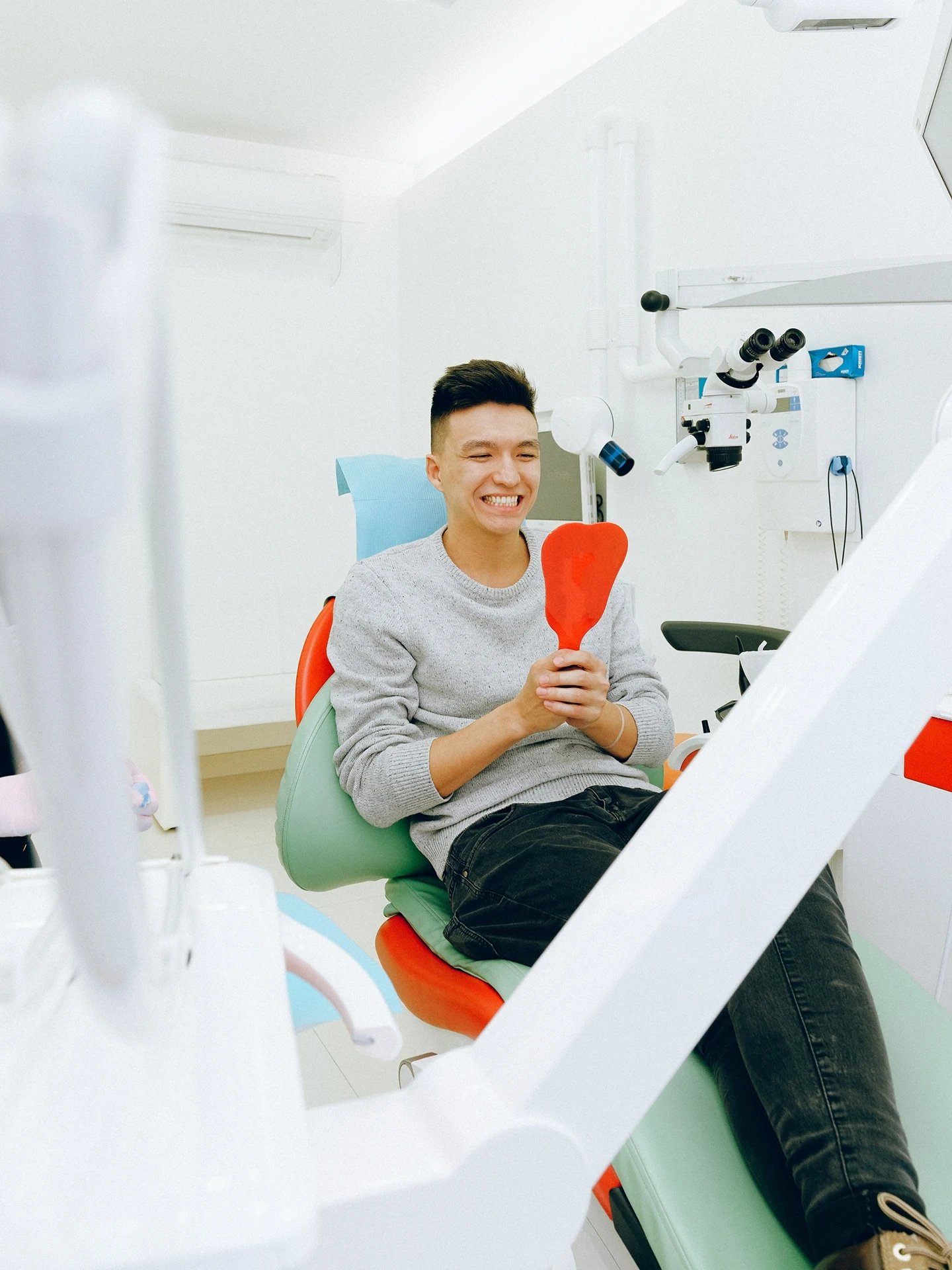 |
| Photo by Anna Shvets |
You might be putting off dental care if you have dental anxiety or fear. You may be so afraid of the dentist that you avoid going even though you're in agony and have cracked, discoloured, or missing teeth, as well as a possible infection.
While you may be ready to put up with some discomfort because it is small in comparison to other health issues, keep in mind that your oral health might have an impact on your entire health. Oral diseases, such as gingivitis and periodontal disease, spread bacteria throughout your body. Oral infections have been linked to cardiovascular disease, respiratory infections, and poor management of other systemic disorders, including diabetes.
Fortunately, there are certain things we can do to make you feel less anxious, so you don't have to jeopardize your dental health.
Dental Phobia: How to Overcome It
If you want to avoid going to the dentist, consider the following suggestions:
Make your dentist aware of your fears. We value your sentiments and will work with you to conquer your fears, but we can't help until we know about them. As soon as you make an appointment, notify your dentist's office.

4. Do something for other people.
5. Make a list of your skills and then utilize them in novel ways in your daily life.

Tooth extraction may be required due to a variety of conditions. These are some examples:
Infection. If tooth decay or injury reaches the pulp, the soft tissue at the core of the tooth that contains nerves and blood arteries, germs from the mouth can enter the pulp and cause infection. This is usually treated with root canal therapy (RCT), but if the infection is serious enough that antibiotics or RCT are ineffective, the tooth may need to be extracted to prevent the infection from spreading. A severe infection has destroyed a large part of the tooth and the bone that holds it in place that has irreparably damaged a tooth makes a successful restoration impossible
Crowding is caused by having too many teeth to fit properly in the mouth. When performing a tooth extraction, good dentists take great care and skill to ensure that your experience is as comfortable and painless as possible. Also, will also provide you with detailed post-treatment care instructions to ensure that your smile heals properly.

Here are three ways to capture the positive psychological benefits.
1. Express gratitude. Gratitude is an appreciation for what you have, including a roof over your head, good health, and caring people. When you recognize the goodness in your life, you begin to recognize that at least a portion of its origin lies outside of yourself. In this way, gratitude facilitates a connection to something greater than one's own experience, be it other people, nature, or a higher power. Set aside a few minutes each day to reflect on five large or small things for which you are grateful. You may jot them down if you wish. Be specific and remember the significance of each item.
2. Capitalize on your strengths. Before you can reap the benefits of your strengths, you must first identify them. Sadly, only about one-third of people have a useful understanding of their strengths, according to a British study. If something comes naturally to you, you may not recognize it as a strength because you take it for granted. If you are uncertain of your strengths, you can determine them by asking a trusted individual who knows you well, by observing what people compliment you on, and by considering what comes most naturally to you.
Certain qualities are most strongly associated with happiness. They consist of appreciation, optimism, vitality, curiosity, and love. Even if they do not come naturally to you, it is worthwhile to cultivate and apply these qualities in your daily life.
Specifically, men should consider the following:
How do you brush and floss your teeth at home?
According to the American Dental Association (ADA) and the American Academy of Periodontology, men are less likely than women to successfully wash and floss their teeth regularly. As dentists, we recommend brushing at least twice a day, once in the morning and once in the evening, to prevent cavities and gum disease. However, fewer men than women follow this recommendation.
When was your last physical exam?
Men are less likely to seek preventive care for their dental health than women. To maintain dental health, twice-yearly checkups and cleanings are suggested. However, more men than women forgo preventative cleanings and visit the dentist only when they experience discomfort or another oral health issue.
According to our post on dental myths, cavities and other disorders may not usually cause pain immediately. Some problems create no pain at all. By the time you discover pain or a problem, the condition may be more advanced and complicated, limiting your treatment options and increasing the amount of time and money required for treatment.
You feel great, so what's the issue?
Unfortunately, men are more likely to get periodontal disease due to poor oral hygiene. According to the American Dental Association, 34% of males between the ages of 30 and 54 suffer from periodontal disease, compared to 23% of women in the same age group. The same is true for those over 55 years old, where 56 per cent of men and 44 per cent of women are affected. By age 72, the average guy will have lost 5.4 teeth. According to the Academy of General Dentistry, a smoker might anticipate losing 12 teeth by the age of 72.
Do You Use Tobacco?
In general, men are more susceptible to gum disease and oral cancer. If you're a man who smokes or chews tobacco, your risk is significantly higher. These goods include carcinogens that are directly connected to mouth cancer. Cancer can strike at any age, but 95 per cent of oral cancers strike after the age of 40. Detecting cancer at the earliest possible stage is essential. Typically, a screening for oral cancer is part of the examination that follows a dental cleaning. This screening is a sufficient incentive to visit the dentist regularly.