

Dental veneers are thin shells glued to the front of your teeth to enhance your smile. They are commonly made of porcelain or resin. Your dentist may recommend dental veneers to treat various smile flaws. Porcelain veneers are a terrific way to improve the appearance of your smile since the hue and translucence of porcelain closely resemble the natural appearance of tooth enamel. Porcelain is also stain-resistant, so your smile will last for many years. Resin veneers can also be customised to match the colour of your natural teeth. You can have a gorgeous, natural-looking smile with dental veneers that you will be proud to show off.

According to a recent survey, one in every five people owns a smartwatch or fitness tracker. These wrist-worn monitors are a convenient way to track your daily steps, and they're likely more accurate than the tally on your smartphone, which you may not have with you at all times. Most wearable devices also provide a variety of other data, such as your heart rate, walking speed, and so on.
But does using one have an impact on how active people are? The answer is yes, according to the largest study on the subject to date (see "Fitness trackers and activity levels: What's the evidence?"). Regular physical activity is essential for a healthy heart, and the improvements seen in this study could potentially make a difference, according to Dr Megan Wasfy, a cardiologist at Harvard-affiliated Massachusetts General Hospital's Cardiovascular Performance Laboratory.
"The increase in moderate-to-vigorous physical activity was close to 50 minutes per week, which is one-third of the 150 minutes recommended by federal activity guidelines," Dr. Wasfy says. The extra 1,200 daily steps taken when people wore trackers were roughly the same as the number of steps linked to a longer life in several studies. 10,000 steps a day has been recommended as a daily goal for a long time, but research shows that 8,000 steps a day is almost as good for your health, especially in older people.
What is the evidence for fitness trackers and activity levels?
A group of Danish researchers looked at the evidence and analyzed it to find out how feedback from wearable fitness trackers affects how much people work out and do other things.
They found 121 different studies involving nearly 17,000 mostly healthy adults ages 18 to 65. The participants' median age was 47, and the majority were female. The study's intervention periods had a median duration of 12 weeks.
Researchers discovered that using physical activity monitors led to an extra 1,235 steps per day and 49 minutes of moderate-to-vigorous physical activity per week on average. They also stood for an additional 10 minutes per day, though this was insignificant. The study was published in The BMJ on January 26, 2022.
Are you unhappy with the shape and appearance of your teeth?
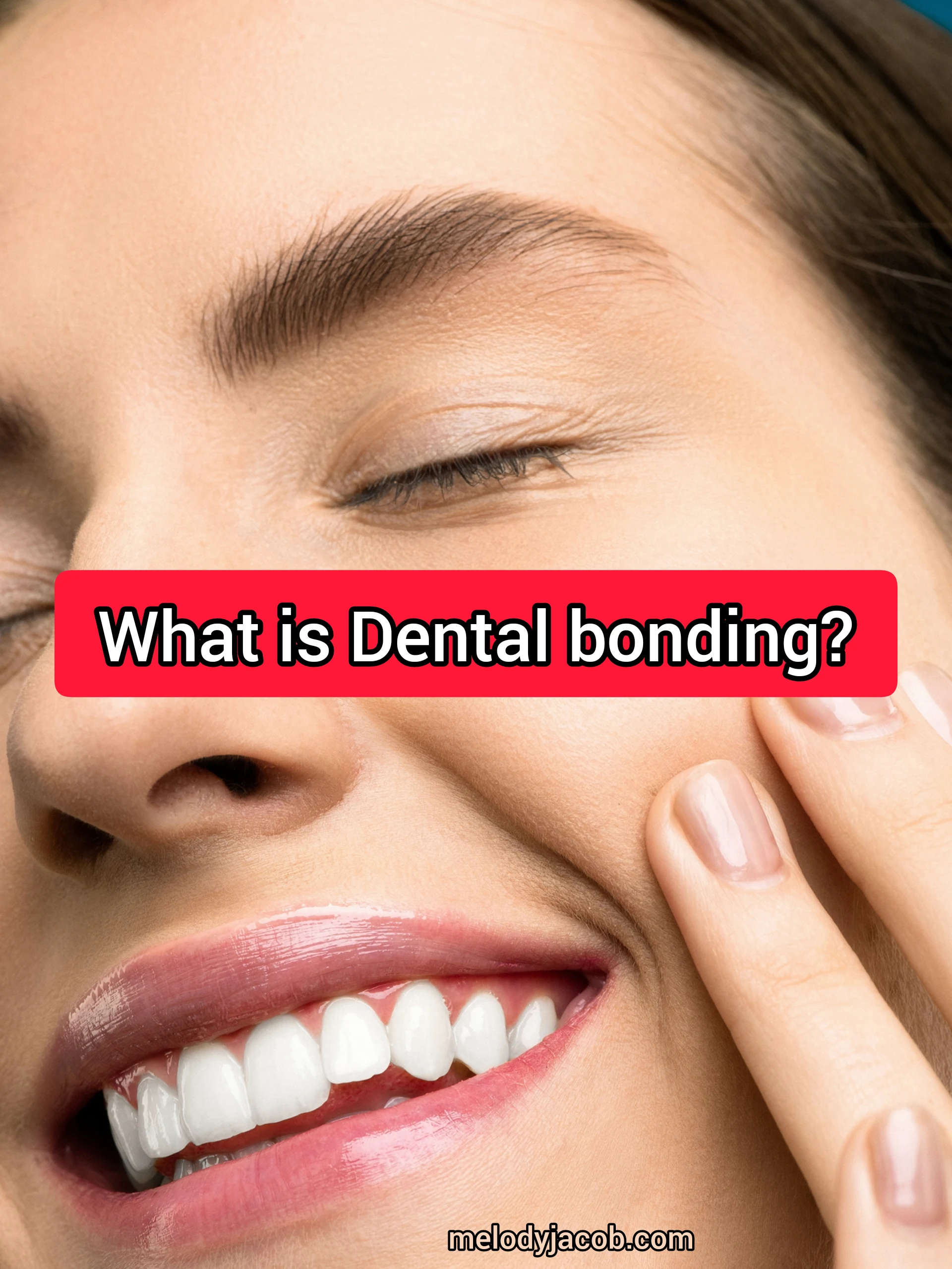
Dental bonding is a cosmetic procedure that improves your smile by using a tooth-coloured composite resin material. This procedure is used to repair chips, close gaps, or alter the shape and colour of teeth. Dental bonding, unlike other cosmetic dental treatments such as porcelain veneers, is completely reversible.
Dental bonding is a simple and cost-effective method of improving the appearance of your smile. Skilled dentists apply a composite resin material directly to the tooth structure during the bonding process. The resin can be shaped and sculpted to fit your tooth and correct flaws in its appearance because it is malleable and puttylike when first applied. After that, the composite resin is hardened, trimmed, and polished to provide a long-lasting, aesthetically pleasing restoration for your smile. Dental bonding usually requires only one visit to the office of your dentist and because this treatment usually requires little to no tooth preparation, you can expect your visit to be quick and comfortable.

Consider how you treat yourself when you make a mistake or fall short of achieving a goal. If you have a tendency to berate yourself when things go wrong, you, like most people, may benefit from a bit more self-compassion.
Self-forgiveness and self-care appear to be advantageous in their own right. Self-compassion can even pave the way for improved health, relationships, and well-being in general. Numerous benefits of self-compassion have been demonstrated by studies. Higher levels of self-compassion have been associated with lower levels of anxiety and depression. Self-compassionate individuals acknowledge their own pain and are gentle with themselves at these moments, thereby reducing their own anxiety and despair.
Understand self-compassion and learn to have it.
Self-compassion comes easily to some, but not to everyone. Fortunately, it is an acquired skill. People are learning how to find and grow their own self-compassion through a variety of training programs and ideas that have been suggested.
Here are four fast techniques to improve your self-compassion skills:
Relax your body.

Eat something nutritious. Recline and rest. You should massage your neck, feet, and hands. Take a walk. Self-compassion is increased by any action that improves one's bodily well-being.
Compose a letter to yourself.
Consider a situation that brought you pain (a breakup with a lover, a job loss, a poorly received presentation). Write yourself a letter detailing the situation without placing blame on anyone, including yourself. Use this activity to nurture your emotions.
Give yourself encouragement.
Consider what you would say to a close friend facing a challenging or stressful situation. Then, when you find yourself in a similar circumstance, use these compassionate replies for yourself.

Positive Psychology
Positive thinking has tremendous power. Positive emotions are associated with better health, a longer life, and a higher sense of well-being. Chronic anger, worry, and hostility, on the other hand, increase the risk of developing heart disease.
Being happy comes naturally and easily to some people. Others must put in the effort.
How does one go about achieving happiness?
This is where positive psychology comes into play. This relatively new area of study has been investigating how people and institutions can support the pursuit of greater satisfaction and meaning. It has revealed several paths to happiness:
Looking for pleasurable emotions and sensations.
Fully engaging: Pursuing goals and activities that fully engage you.
Doing good entails looking for meaning outside of oneself.
Gratitude: expressing gratitude for what you have in life.
Post a Comment
Subscribe to:
Posts (Atom)