Exercise may help reduce the progression of prostate cancer.


Men who are on active surveillance for prostate cancer may benefit from high-intensity interval training (HIIT). The researchers assigned 52 men (average age 63) to either a 12-week supervised treadmill HIIT program or to their usual exercise routine that did not involve high-intensity exercise.


HIIT involves performing a brief burst of activity at a near-maximum effort followed by a brief recovery time. After that, you repeat the sequence a certain number of times. The exercises consisted of two minutes of exercise at 85 to 95 percent of a person's VO2 max (the highest amount of oxygen the body can use during exercise), followed by two minutes of recovery at 40% VO2 max. Five to eight times, the pattern was repeated.

The researchers discovered that as compared to participants who performed their normal lower-intensity exercise, those in the HIIT group had lower PSA levels, lower PSA velocities (the rate at which PSA levels vary over time), and slower prostate cancer cell growth. Additionally, they possessed increased cardiovascular fitness. According to the study, men on active monitoring have a threefold increased risk of dying from cardiovascular disease than from prostate cancer. JAMA Oncology published the findings online on Aug. 19, 2021.

Pexel photo

Two common skin problems and solutions for men
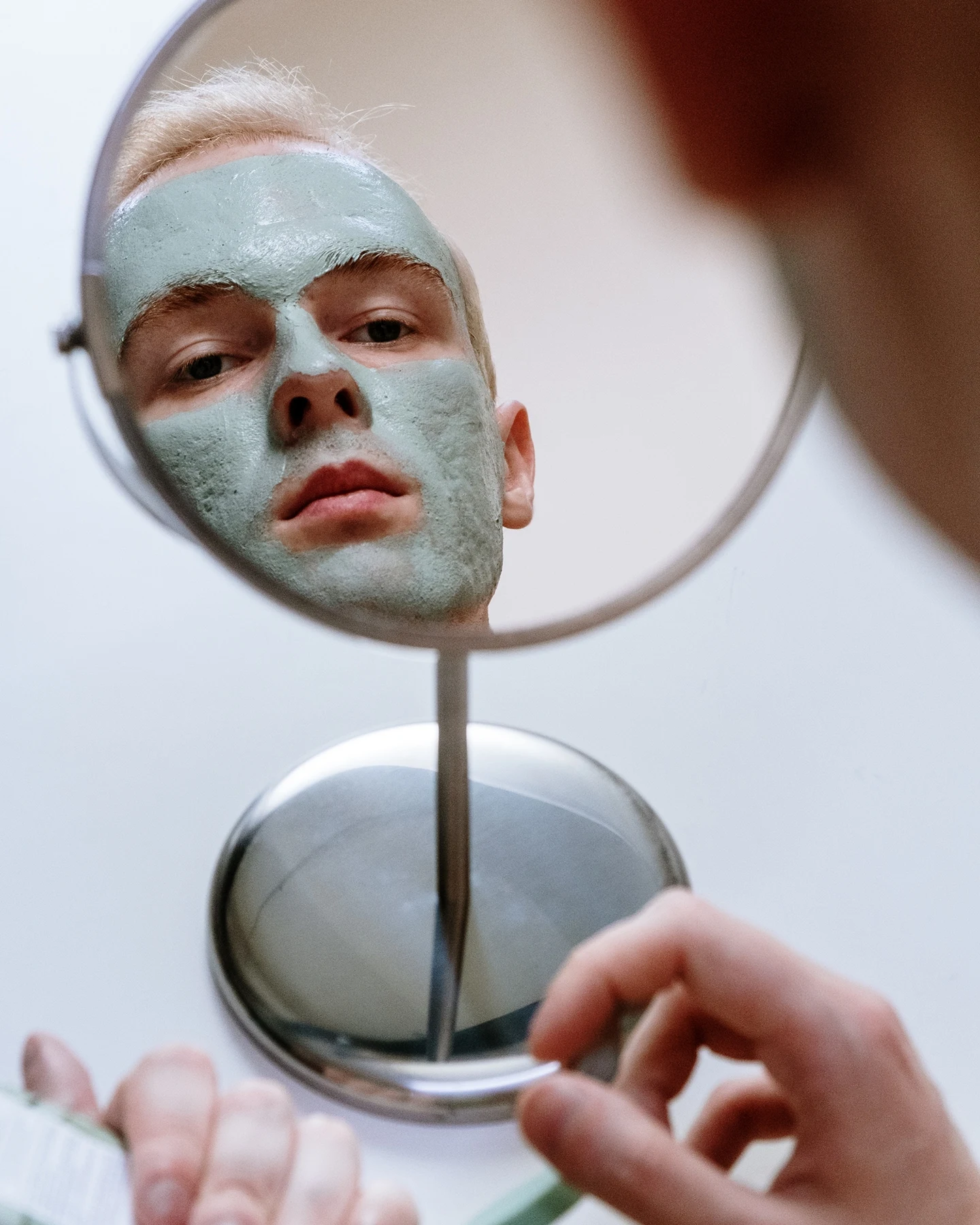
Athlete's foot and dry skin


Dry skin

Scaly patches (with or without redness), itching, and overall dryness are all signs of dry skin. Dry skin can occur at any time of year, from the intense heat of summer to the bitter cold of winter. Sun exposure wreaks havoc on the skin, causing it to become thinner and less able to retain moisture over time. Additionally, aging skin produces fewer natural oils that help keep the skin lubricated. The solution to common male skin problems: Dry skin and Athlete's foot

Treatment

The first line of defense is a moisturizer that uses water and lipids to soften and smooth the skin (fats). Certain moisturizers draw water to the skin and keep it there. Others work by coating the skin with a thick, impermeable layer that prevents moisture loss.

Jelly of petroleum. 

This waxy, greasy substance prevents water loss while remaining non-clogging. It can be used alone or as an ingredient in a variety of moisturizers and ointments. Because petroleum jelly is water-free, it works best when applied while the skin is still damp from bathing.

Mineral lubricant.

Mineral oil achieves the same effect without leaving a greasy residue. Additionally, it should be applied while the skin is damp.

Looking for some motivational self-quotes to get you through the first few minutes of your Monday morning? These reminders will not only improve your spirits but will also help you confidently go into a terrific week.


New car guidelines

Obtaining a 'tear rubber vehicle is exciting, but your excitement may be short-lived if necessary precautions are not taken. Here are five critical steps to take to insure your new car remains as 'new' as possible:


1. Go over the instructions in your user manual.

2. Allow time for the vehicle to warm up before you begin driving.

3. Maintain a consistent service and maintenance schedule.

4. Avoid using impure gasoline, oil, and other fluids in your vehicle.

5. Purchase Automobile Insurance.

6. Make Photocopies of Your car Documents.

7. ENJOY YOUR NEW BABY—take a moment to inhale that alluring 'new car smell.


If you want to avoid the common cold, all you have to do is wash your hands frequently! The most common way for a cold to spread is through coughing or sneezing, which leaves tiny droplets on doorknobs, computer keyboards, and other frequently used items. If you happen to come along and touch that spot, you may unknowingly touch your nose or mouth and become infected! Continue reading to learn how handwashing can help you avoid this issue and prevent the common cold:

How to wash your hands to prevent the common cold.

How to wash your hands to prevent the common cold.
Pexel photo


1. The Reasons Why Handwashing Is Effective


Numerous infectious diseases, including gastrointestinal and respiratory infections, can be spread from person to person via contaminated hands. Certain strains of these infections can have serious consequences, particularly in young children, the elderly, and those with a weakened immune system. Proper handwashing can help prevent the spread of germs that cause these diseases. Because many of the viruses that cause colds can survive on surfaces for hours, routine hand washing is the most effective way to prevent them from entering your body! If you are a sick person, frequently washing your hands can help prevent the spread of germs.

2. The Best Way to Wash Your Hands for Cold Prevention


While it may seem trivial to read about proper handwashing techniques, the reality is that the majority of us are far too busy to wash our hands properly every time! After wetting your hands and adding soap, vigorously rub them together for 20 seconds. The soap is necessary because it eliminates a greater number of disease-causing organisms than simply washing with water. Rub your hands in all directions, including between your fingers and under your nails. At that point, thoroughly rinse your hands and pat them dry with an air dryer or a clean paper towel. If you are using a public restroom, you should use a paper towel to turn off the faucet and push the door open with another paper towel or your shoulder.
© Melodyjacob.com - All Rights Reserved. Do not use contents from this blog without my premission.. Powered by Blogger.
Blogger Template Created by pipdig