
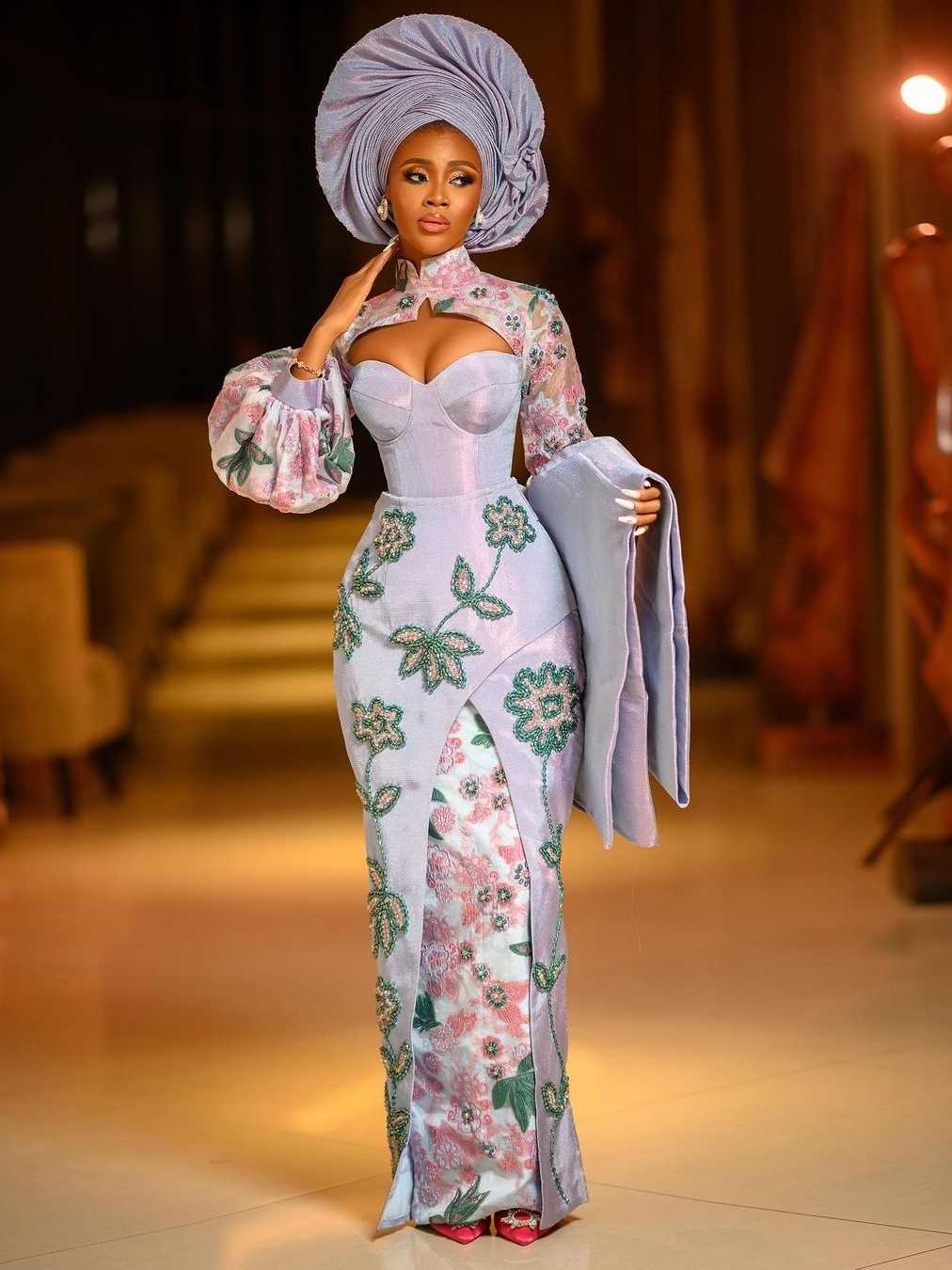
If you are in Nigeria and you are a soon to be bride and you have not seen these styles then girl, we are here for you. These are the latest dress styles for any bridal excellence at the moment. These styles are trending and the best part of it is that you can be more creative by twisting them to fit your body structure. Feel free to recreate these styles and add or remove details that don't suit you.
When it comes to wedding dresses, coloured ones are always a good idea. Many brides don't want to wear white on their big day. Many dresses are blush in color but you may also see blue, grey, or red ones as well. When it comes to colors for weddings these days, one of the most popular is green, which is a very unusual choice! It doesn't have anything to do with anything other than nature, which makes it great for weddings in woodlands and nature-themed settings, as well as many other types of events.
Feel free to wear an airy green wedding dress with no embellishments, a deep neckline and a cut-out back, or even with beautiful embroideries and embellishments if you are a woods bride. Botanical or garden brides may want to look for a white wedding dress with green botanical prints or embroidery on it. You should wear green as your wedding color because this is the most elvish color ever! A beautiful, flowing and chic green wedding dress with a deep back cutout is what you should wear. You should also put fresh greenery in your hair.


Many individuals use Pinterest to make predictions about the future. This has been true for a lot of different things, like food, beauty, fashion, travel, and more, in recent years. The social media site has been very good at reflecting what people are interested in many different areas.
In fact, according to Pinterest's search statistics, 8 out of 10 of its forecasts for the year came true in 2021. Several key trends will aim to take hold in the next weeks and months for Pinterest's annual Predicts report, which the platform defines as "a not-yet-trending report—a peek into the future, from the place where people go to plan it."
Expect to see bold, vibrant cakes with rich colors, different textures, and metallic colors when it comes to cake decorating.
Weddings in 2021 were popular for individual portions, and this trend will continue in 2022. The popularity of individual tiny cakes will continue to grow. They are not only safe for guests, but they also allow couples to choose from a variety of flavours rather than just one.
Do you have a cake to bake? Whether you're a seasoned pastry chef or a novice baker, these incredibly scrumptious trends will ensure that your next creation is as Instagram-worthy as it is delicious! In 2022, we've put together a list of the top birthday cake trends to keep an eye on. They range from shaggy 70s-style piping to delicate dried flowers.
Cake by Sarah Soltanizadeh.

From the just concluded Jenny's Glow wedding to different wedding guest styles shared on Instagram on a daily basis, we have compelled the best and most sophisticated wedding guest styles to attend a Nigerian wedding. We have shared different styles in the past, but the bar keeps going up, so we are bringing you the latest wedding guest outfit styles to attend a Nigerian traditional wedding in 2022. The list is mostly made up of celebrities and socialites. You can download the photos by double-clicking on them, and the download option will appear.

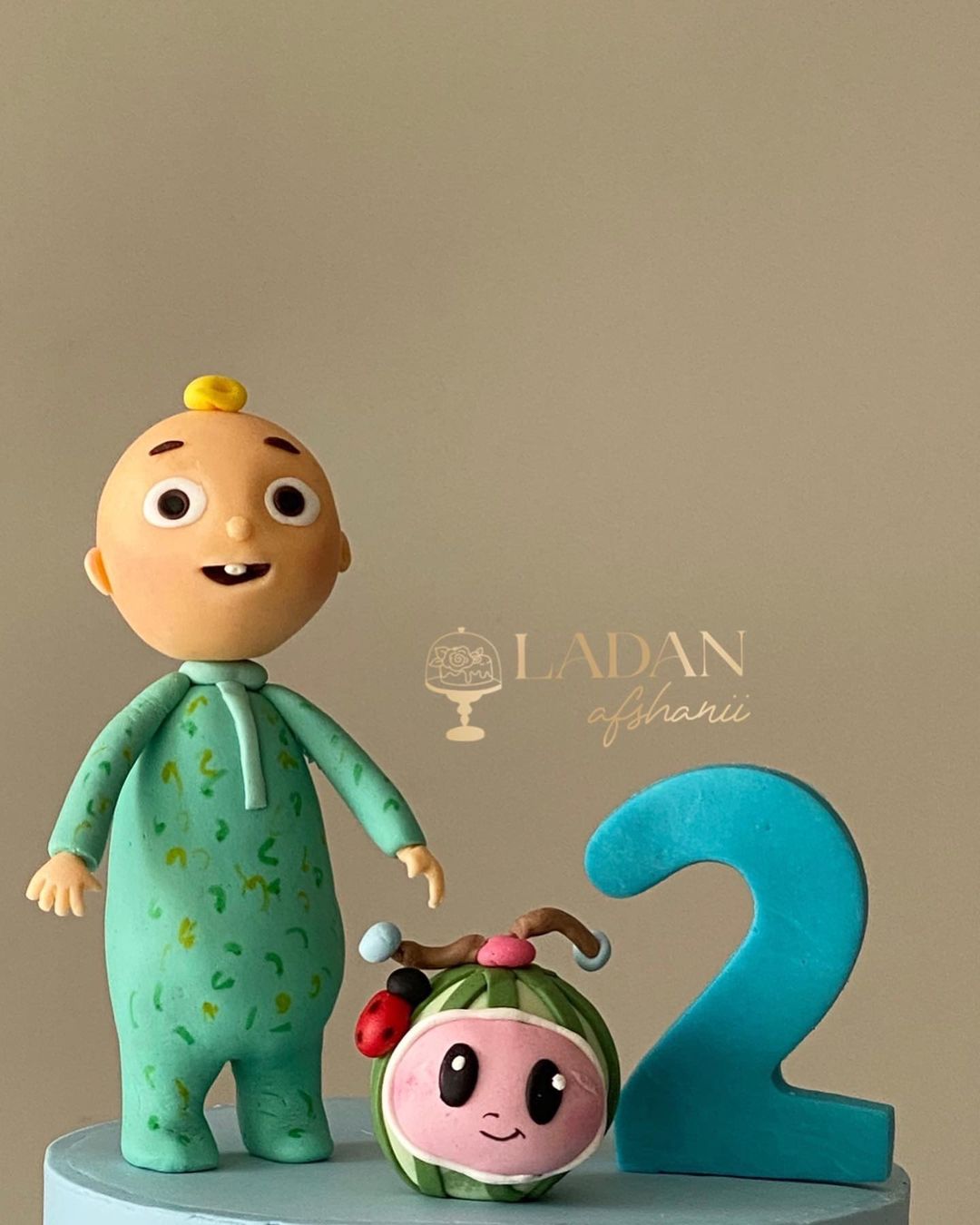
If your kid is having a birthday party soon, then we've got you covered with these amazing, fancy yet attractive cake designs that any kid will love. We loved the colour that was mixed into the cake. To pick the best cake for a child's birthday celebration, check out these amazing cake designs to suit your kid's special day. You can order these cakes from Ladanafshanii.


Subscribe to:
Posts (Atom)