

Good morning everyone! Today, I am excited to discuss the fascinating topic of intergenerational friendships and the unexpected health benefits they bring. We often find comfort and companionship within our own age group, but what happens when we step out of our comfort zones and form connections with individuals who are much older or younger than us? These unique friendships can be like rare birds, offering a stimulating blend of experiences, attitudes, and approaches that have the potential to greatly enhance our lives. Not only do these friendships transcend age barriers, but they also contribute to our overall well-being. So, let's dive into the captivating world of intergenerational friendships.
1. Breaking Down Age Barriers:
As Dr. Ronald Siegel, an assistant professor of psychology at Harvard Medical School, states, confining ourselves to alliances within our peer group can be a limiting experience. Embracing intergenerational friendships requires us to let go of biases about generations and approach others with curiosity. By doing so, we open ourselves up to a whole new world of intelligence, insights, and awareness that exist across different eras. These friendships allow us to learn and grow as individuals.
2. The Impact on Mind and Body:
Research published in the journal Social Psychological and Personality Science reveals that friendships, regardless of age, have a positive impact on our physical and mental health. Trust and mutual support in these relationships have been found to lower stress levels and blood pressure, as well as help regulate blood pressure during stressful periods. Dr. Siegel emphasizes that when people have relationships built on trust, they thrive.
3. Embracing a Youthful Outlook:
Interestingly, intergenerational friendships can also influence our perception of age. A study published in the European Journal of Aging shows that older adults with friends who are more than 10 years younger tend to feel younger themselves and have greater satisfaction with the aging process. This self-perception can potentially lead to health advantages and longer life expectancy, as earlier research suggests.
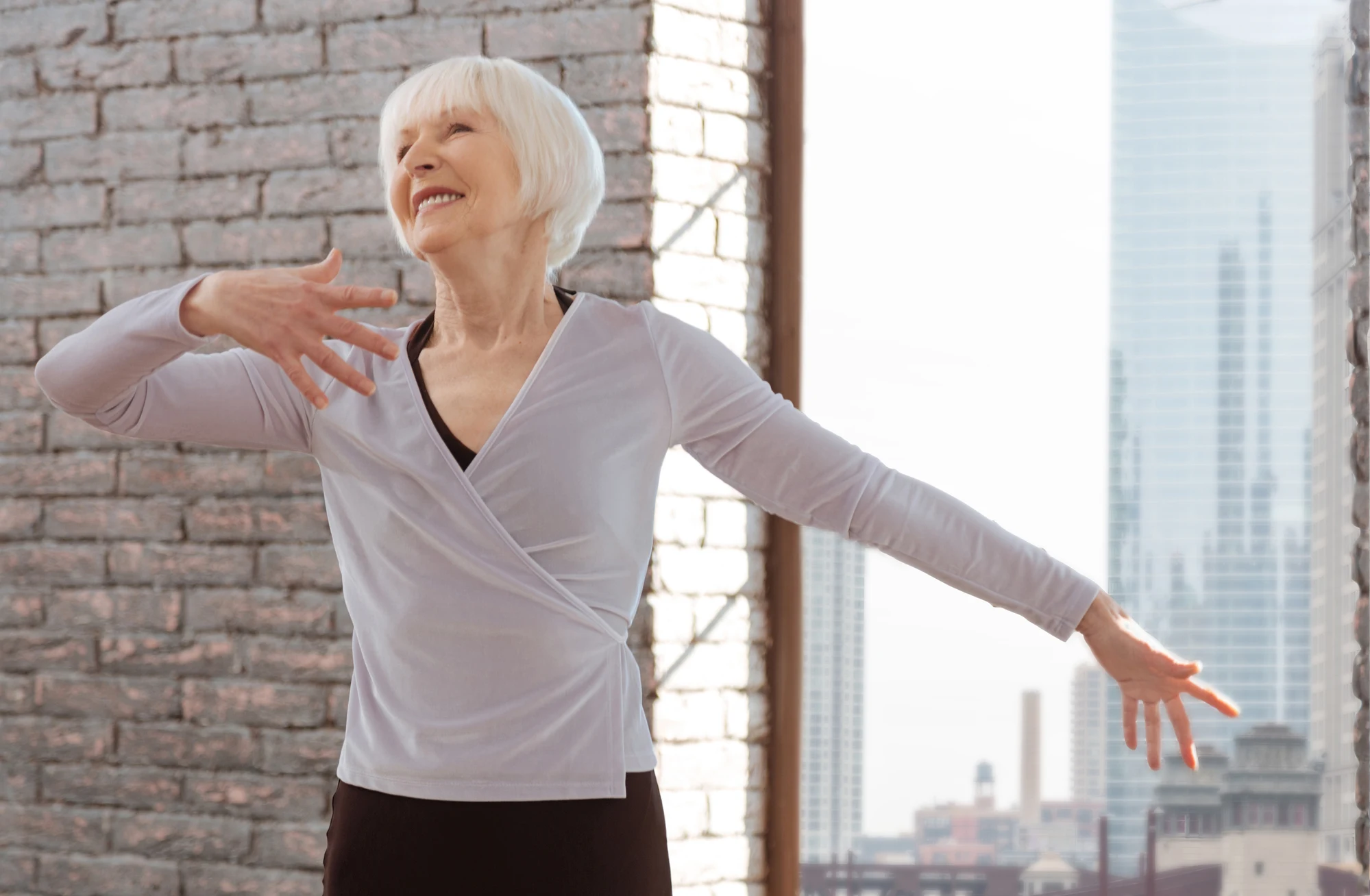
Hey everyone! Today, I want to talk to you about something fascinating: the idea that you can feel younger than your actual age. You may have come across older people who exclaim, "I feel like I'm 30!" or "I don't feel my age!" and exude positivity, energy, and optimism. But is it just wishful thinking, or can our mindset actually impact how young and healthy we feel? Well, research suggests that having a positive attitude about aging can lead to longer and healthier lives. So, let's explore the power of positive aging and how it can benefit our minds, bodies, and spirits!
1. The Science Behind Positive Aging:
Studies, like the one published in JAMA Network Open, have shown that individuals with a greater satisfaction with aging have a significantly lower risk of dying from any cause. These individuals also have a reduced risk of diabetes, stroke, cancer, and heart disease. Not only that, but they also experience better cognitive functioning, reduced feelings of loneliness and depression, increased physical activity, and improved sleep. It's amazing how our mindset can influence our overall well-being and contribute to a longer, healthier life!
2. Tips for Embracing Positive Aging:
Now that we understand the benefits of a positive mindset, let's explore some practical ways to cultivate a youthful outlook:
- Managing Anxiety: As we age, anxiety can become more common. To combat it, try incorporating daily meditation, exploring stoicism (a philosophy that teaches how to maximize positive emotions and reduce negative ones), or simply spending quiet time each day expressing gratitude. These practices can help alleviate anxiety and promote a positive mindset.
- Finding a Sense of Purpose: Having a strong sense of purpose allows us to continue pursuing goals and finding meaning in life. Engage in activities centered around self-development, growth, and connecting with others. Learn a new instrument or language, volunteer for a cause you care about, mentor someone younger, or take college classes that stimulate your mind. Revisiting activities you enjoyed in your youth can also spark joy and a sense of purpose.

Socializing has been linked to a lower chance of dying young, among other health benefits. However, how much socialization might prolong one's life? On March 6, 2023, the Journal of Epidemiology and Community Health published a sizable Chinese study online that suggests—possibly not at all. Researchers assessed the well-being, way of life, and self-reported social engagement of almost 28,000 individuals (average age: 89) whose survival was monitored for a mean of five years or until they passed away. People lived longer during the first five years of life, the more socialized they were. The people who socialized daily, weekly, monthly, or infrequently all lived longer than the previous group.

What is and isn't normal? Learn to recognize this dangerous mental health condition.
Hoarding disorder: what is it?
An incapacity to part with some possessions to the point of unhealthy accumulation is the hallmark of hoarding disorder, a mental health illness.
Even though the goods being hoarded may seem insignificant to others—old clothing, boxes, documents, junk mail, or even expired food or trash—the individual hoarding the stuff is certain that they will come in handy at some point. The thought of leaving them behind is deeply upsetting. Over time, items accumulate in the house to create mountains of disorderly clutter that clog halls and rooms, hinder daily activities, and endanger safety.
Dr. Stephanie Collier, a psychiatrist at McLean Hospital, which is connected with Harvard, says, "There might be clutter blocking the stove so you can't prepare meals, or blocking the door so you can't get to work or get out in an emergency."
What makes someone hoard?
The etiology of hoarding disorder is unknown. Although it usually appears in adolescence, hoarding may also manifest in later life because of its correlation with certain mental health issues. These include attention deficit hyperactivity disorder (ADHD), anxiety, dementia, and obsessive-compulsive disorder (OCD). Sometimes certain situations' characteristics lead to hoarding behavior.
People suffering from anxiety disorders, for instance, may worry excessively that they won't have enough of a specific item. They feel more in control when they have a larger supply, according to Dr. Collier. "There may be persistent notions in the minds of OCD sufferers concerning the quantity of stuff they need. Despite their desire not to, individuals are constantly driven to keep the items."
Additional examples: Individuals with ADHD may struggle to decide what should be thrown out first. Additionally, because they can't remember if they need certain things, like bills, people with cognitive impairment may be reluctant to part with them.

How to deal with sadness?
1. Understanding Sadness:
- Defining sadness: Sadness is a complex emotional state characterized by feelings of sorrow, grief, or unhappiness. It can be triggered by various factors such as loss, disappointment, loneliness, or even hormonal changes.
- Causes of sadness: Sadness can stem from a wide range of experiences, including the loss of a loved one, relationship difficulties, work-related stress, or personal setbacks. Recognizing the root causes of our sadness is crucial for effectively addressing and managing it.
2. Impact of Sadness on Mental and Physical Health:
- Emotional well-being: Prolonged sadness can have a significant impact on our mental health, leading to symptoms of depression, anxiety, and a decreased quality of life. It is essential to recognize the signs and seek support when needed.
- Physical health: Sadness can also affect our physical well-being. It can lead to fatigue, changes in appetite, disrupted sleep patterns, and weakened immune function. Taking care of our bodies is just as important as addressing our emotional state.
3. Coping Strategies and Self-Care:
- Reach out for support: Sharing your feelings with trusted friends, family, or a mental health professional can provide comfort, reassurance, and perspective. They can offer guidance and help you navigate through your emotions.
- Practice self-care: Engage in activities that bring you joy and relaxation. This could include hobbies, exercise, spending time in nature, or practicing mindfulness and meditation. Prioritizing self-care is crucial for emotional well-being.
- Seek professional help if needed: If sadness persists or becomes overwhelming, it is important to seek professional help. Mental health professionals can provide guidance, therapy, and support tailored to your specific needs.

You can become more adept at managing challenging conversations by cultivating the ability to listen to others and recognize their experiences and perspectives.
Validation is a way to make people feel heard and understood, especially in emotionally charged situations. Even if you disagree with someone, validating them means you acknowledge their feelings and perspective. This builds trust and makes the other person feel supported, making it easier to find solutions together.
But many people struggle with validation. They might try to validate someone but then immediately jump into problem-solving or giving advice. This doesn't allow the validation to sink in. It's like putting on anti-itch cream and immediately washing it off.
Here are some tips for offering validation:
1. Give your full attention.
2. Make eye contact and show interest with nods and "uh huh."
3. Repeat what you've heard to show that you understand.
4. Verbalize their unspoken feelings or frustrations.
5. Give it time to sink in before trying to solve the problem.

Owners of dogs are likely to have a lower risk of cardiovascular disease than non-owners, according to research. Having a canine friend may help avoid high blood pressure and may help those with the condition better control their blood pressure, according to a study that was published in the August 2022 issue of Current Hypertension Reports.
And according to data published in the October 2019 issue of Circulation: Cardiovascular Quality and Outcomes, people who own dogs are 31% less likely than non-owners to pass away from a heart attack or stroke.
In the event that you experience a heart attack or stroke, having a dog may prolong your life. Another study published in the same issue of Circulation revealed that among those who experienced a heart attack or stroke, dog owners had a 33% lower mortality rate in the 12-year period following a heart attack and a 27% lower death rate after a stroke than those who did not own a dog.
Due in part to the ritual of daily walks, dogs encourage their owners to be more active, which may help enhance heart health. In fact, studies show that people who own dogs walk for an additional 20 minutes each day on average compared to those who don't.
Stress reduction
Ever ponder why it is so enjoyable to pet a dog? According to a study that was made available online on October 5, 2022, by PLOS One, interacting with dogs in particular stimulates the prefrontal cortex of the human brain, which is involved in controlling emotions. Additionally, petting increases oxytocin, the feel-good hormone, and lowers cortisol, the stress hormone. Long after the dog has left the room, the effect may still be felt.
Dogs can also show us how to practise mindfulness to reduce stress. Dogs focus on the many smells, sights, and sounds of their surroundings while out for a stroll because they are present in the now.
Dogs can even serve as therapists. There's always someone to chat with when you have a dog, since they make excellent listeners. Additionally, most dogs are adept at interpreting body language and picking up on your emotions. A dog may occasionally sense your distress and leap up onto your lap or sit next to you out of the blue.

Friendship-free zone
Compared to women, men experience more difficulty making and keeping friends as they get older. The issue is that many men find lifelong companions through activities they have in common, such as sports, the military, and employment. "A man's circle of friends gets smaller as those sources are eliminated over time—through retirement, life changes, and death."
Replicating circumstances and environments that encourage male bonding is the best strategy for establishing friends and preserving current relationships, he continues. For instance:
Learn about group dynamics. Consider joining a walking group, a golf or bowling league, a card, book, or chess club, or a continuing education course at an adult education facility. Or invite an existing friend to join you so you both can add more people to your friend list. It is frequently simpler to communicate with others who share your passions, so find something you enjoy, and chances are there are others who share your interest.
Researchers questioned 8,250 people 65 and older for the Harvard-led study, which was published online by Proceedings of the National Academy of Sciences on February 7, 2023. 22% passed away in the subsequent four years. Eight out of 183 potential characteristics were shown to be stronger predictors of participant fatalities during those four years, according to the researchers. These included living in an unclean neighbourhood, feeling little control over their financial situation, not working for pay, not volunteering, and receiving less courtesy or respect from others. They also included feeling isolated, seeing their kids less than once a year, and not being involved in their lives.

The Emotional Body is made up of seven layers, physically and energetically. The foundation of the emotional body is the Quantum Frequency Bloc, which anchors your physical and energetic being in this dimension. It vibrates at a certain frequency to carry you from the physical into the astral and, from there, into your higher dimensional self.
As you progress on your spiritual path and integrate more of your higher self, the Quantum Frequency Bloc vibrates less strongly and may even be completely gone as you transcend into pure awareness. In this article, we will go deeper into the roles of supportive quantum frequency bloc in energy and wellness.
Energetically Supports Your Physical Body and Immune System
The physical body is made of atoms and molecules. The smallest particles are quarks, then leptons, electrons, neutrons, and protons. All of them vibrate at different frequencies.
As you know, the immune system identifies unwanted substances or infections and eliminates them from the body. It does this by emitting frequency that neutralizes these harmful agents and carries them out of your body or by creating antibodies to fight against them, similarly to frequency vibration patterns.
It Supports Your Emotional Body and Creates Energetic Boundaries
The emotional body is made of seven layers, which are physical and energetic. The foundation of the emotional body is the Quantum Frequency Bloc, which anchors your physical and energetic being in this dimension. It vibrates at a certain frequency to carry you from the physical into the astral and, from there, into your higher dimensional self. As you progress on your spiritual path and integrate more of your higher self, the Quantum Frequency Bloc vibrates less strongly and may even be completely gone as you transcend into pure awareness.

Many people contend that relationships increase people's happiness and motivation on a daily basis. After all, there is something comforting about knowing that you have a friend or family member who will always look out for your interests. Being in a relationship requires effort, dedication, patience, and commitment. You and your partner must work together to resolve your differences and use one another as an example of how to live a better life if you want to keep things joyful and healthy.
There are various strategies to maintain a happy and healthy relationship. To make a relationship work, you both need to be committed to making the other person happy. This article is the best thing you will read today if you want to learn how to maintain a happy and healthy relationship. Continue reading to find out more about important advice that people can use to maintain a fulfilling and positive relationship.
Physical activity enhances mental acuity more than sitting all day.
First off, you have less time for physical activity the more time you spend sitting and watching television. Participating in enough physical activity lowers your risk of dementia and cognitive decline. It should come as no surprise that if you spend a lot of time sitting and engaging in other sedentary activities, you run a higher risk of developing cognitive decline and dementia than someone who does not spend as much time sitting.
Is watching TV actually detrimental to your brain?
It's preferable to work out than watch television.
However, is watching television still bad for you if you exercise regularly? The initial research indicating that watching television is still detrimental to your brain was released in 2005. After taking into account the year of birth, gender, income, and level of education, the researchers found that the risk of getting Alzheimer's disease went up by 1.3 times for every additional hour of TV watching in middle age. Additionally, engaging in social and intellectually stimulating activities lowers the risk of developing Alzheimer's.
Less than 500 people participated in this study, but its conclusions have never been disagreed with. But how well would these findings apply to a larger sample of people?
TV watching and cognitive deterioration
In 2018, the UK Biobank study started following roughly 500,000 people who were 37 to 73 years old when they were first enrolled between 2006 and 2010. The reported demographic data was somewhat scant: 88% of the sample were classified as white, 11% as other, and 54% were female.
The researchers looked at the baseline results of the participants on a number of cognitive tests.
upcoming memory (remembering to do an errand on your way home)
spatial memory for images (remembering a route that you took)
adaptable intelligence (important for problem solving)
short-term memory for numbers (keeping track of numbers in your head).Many participants retook some tests five years later. The range of participants evaluated for each test was 12,091 to 114,373, depending on the test. The study's findings were clear. First, across all cognitive tests, watching more television at baseline was associated with poorer cognitive function.
Also, every test of cognitive ability showed that watching TV was linked to a drop in cognitive ability five years later.This kind of research can only infer that watching television contributes to cognitive decline.
Furthermore, the kind of sedentary activity selected was important. Driving and watching television were both associated with poorer cognitive function. However, using a computer was linked to better cognitive function at baseline and a lower risk of cognitive decline over the course of the five-year study.

Like fashion trends, the accepted standard for a person’s physical beauty can change with time. Nowadays, people no longer hesitate to honor different body types, shapes, and proportions, knowing that these have all had their day in the spotlight throughout human history.
Still, it can sometimes be quite difficult to be comfortable in one’s own skin. Our attitudes and views of others’ bodies may be quicker to change than our own impulses to be self-conscious and self-critical. Some people also have a hard time disassociating themselves from pejorative words that were habitually used in relation to their own bodies or other people’s bodies as they were growing up. Reasons like these can make it a challenge to embrace and celebrate wider notions of beauty and beauty positivity.
If this issue has been on your mind for some time, remember that undoing harmful notions of your own body image and becoming more confident in your own body may be a long process that requires both patience and consistent practice. The resulting happiness, self-assurance, and kindness towards both yourself and others, however, will be worth it. Here are some of the things that you can do every day to be able to exude body confidence and appreciate your body better:
Use Positive Affirmations of Yourself
First, don’t hesitate to express your love for your body and the way you look by using your words. For example, if a pair of leggings for women makes you look and feel great, say so even if there’s no one in the room but you. When checking out whether an outfit suits you, compliment what works before dwelling on what doesn’t.
It’s not unusual for people to zero in on what they see to be negative aspects of their appearance, as well as their character. You won’t be turning a blind eye to the things that ultimately don’t work for you by giving yourself positive affirmations whenever they’re due. Think of this exercise as one that acknowledges that it’s not all bad, and use it as a stepping stone to finding things like clothes that work better for you than others.
Aim for Better Health and Body Functionality
Remember that your body is both a beautiful and a functional thing. Aside from finding your way to an idea of what’s truly aesthetically pleasing to you, it’s also a must to appraise your body for what it’s capable of accomplishing.
If you go to the gym to lose weight, for instance, don’t just focus on the scale. Rather, be mindful of how exercise has improved your health and ability to keep up with physically demanding activities. The same can be done if you’re changing your diet for the better. If you’re able to accomplish something that you think is a feat, appreciate your body for going through the process and acknowledge what it’s capable of doing.
Pay attention to the holistic result of your efforts to exercise and eat healthily, and congratulate your body for adapting well to the good habits you’ve gotten into. This will allow you to cultivate a healthy and nourishing perspective on your body, which will do wonders for your overall well-being as well as your body confidence.

In psychology, manipulation is a behavior designed to exploit, control, or otherwise influence others for personal gain. The specific behaviors included in the term's definitions vary based on culture and whether they are applied to the general population or in clinical settings.
Oftentimes, we make excuses for others, which is commendable, but knowing when to stop is crucial. Manipulation impacts how you feel about yourself, how you perceive life, and how you interact with others. It is vital that you do not allow anyone to manipulate you, and if you are curious about the signs you are being manipulated, listed below are five of them.

Planning on getting fit this year? You’re not alone. According to research from YouGov, of the 21% of Brits who say they are making New Year's resolutions for 2023, 53% want to do more exercise—47% of men and 57% of women in all.
As part of this, millions will be signing up for gyms in an effort to shed pounds and bulk up muscle, but new research has found that lots of people—women in particular—find visiting the gym an anxiety-inducing experience.
Gym anxiety: what does the research say?
European lingerie specialists Hunkemöller wanted to find out how many found that a big chunk of people suffer from gym anxiety. They found that, by looking at Google Search Trends data, searches relating to “gym confidence” had risen 1,600% in a year, with “getting over gym anxiety” up 300% in the same period.
To delve deeper into the results, they surveyed 2,000 UK adults to find out their anxieties relating to the gym. They found that 28% of women felt anxious in a gym environment, compared to just 16% of men. 61% of these women said they’d feel better at a female-only gym.
The main reasons behind this anxiety also differed greatly. For women, the top sources of anxiety were lack of knowledge regarding exercises and form (26%), feeling uncomfortable (26%), and a feeling of being stared at by others (22%). For men, 19% felt uncomfortable in gym surroundings, 17% were intimidated by gym equipment (17%), and 16% were unsure of whether their form and exercises were correct.
Are different cities more female-friendly when it comes to gyms?
Hunkemöller then set out to analyze which city was the best for women looking for a female-only workout space. Shockingly, in the 15 cities looked at, there were just 73 women-only gyms, with each catering to tens or hundreds of thousands of women. The results were as follows:

1. When you are aware that your words have the potential to cause great harm to another person. Even if you don't mean any harm with your words, they can still cut deep if they are insulting, sarcastic, or condescending. Words spoken years after the fact can still have the same crippling effect as those spoken moments later. One's choice of words has the power to either comfort or traumatise.
3. When you feel strong feelings coming on inside, be quiet so we can figure out what's going on.

Instead of focusing on one particular aspect or problem, try to see the situation as part of a larger whole. For example, if you are dealing with a difficult coworker or an annoying family member, consider how this person may contribute to a more significant cause or mission. By looking at the bigger picture, you can find more meaning and purpose in your experiences, which helps to shift your perspective in a positive direction.
Sometimes, the trick is recognizing when you are too hard on yourself. If your perspective is becoming overly negative and judgmental, it may be time to cut yourself slack and choose a more positive outlook. For example, instead of dwelling on perceived failures or shortcomings, focus on what you have accomplished or what you can do to improve moving forward.
Read Inspiring and Uplifting Content
To keep your perspective positive, it's essential to stay inspired. This might mean reading uplifting and motivational content online, listening to inspiring podcasts or books, or simply spending time outside in nature. By surrounding yourself with inspiration regularly, you can better ward off negative thoughts and emotions that threaten your happiness and well-being.
Find resourceful sites with the correct information where you can find inspiration and motivation to keep pushing forward. This is where you target websites run by knowledgeable, qualified experts who know what they are talking about. Through using positive affirmations, it becomes possible to see the world in a new light and to experience more joy and happiness every day. By learning to make small changes in your perspective, you can reap the excellent benefits of living in this lively place. Also, give yourself time to grasp the different ideas and concepts you learn.
In this article we will discuss 5 Things to Teach Young Black Women Before Adulthood

Avoid having children out of wedlock; in the black community, more than 70% of children are born into households with just one parent. According to statistics, single-parent households have lower incomes, less free time, troubled relationships, and an imbalance of masculine and feminine energy. Parents should instil in their daughters the importance of securing a successful future and not be reliant on their partners.
The morning after a night of drinking is never enjoyable with a hangover. The most common symptoms of a hangover include headaches, exhaustion, thirst, and nausea. However, some individuals also report experiencing "hangxiety"—feelings of uneasiness during a hangover. Anxiety with a hangover affects approximately 12% of people, and the severity varies.

A hangover induces a state of physiological stress when the body recovers from a night of drinking. In general, physiological stress occurs when the body is under pressure—for example, as a result of a sickness or accident. A hangover functions in a similar manner. Not only does it change our immune system, but it also raises cortisol levels, which are often called the "stress hormone." Anxiety also changes blood pressure, heart rate, and cortisol levels.
The brain also undergoes alterations. According to research, dopamine-related brain activity (a type of neurotransmitter) is reduced during a hangover. This is significant because dopamine plays a crucial role in anxiety regulation.
Intriguingly, the combination of stress and sleep deprivation (representing features of a hangover) can result in reductions in both mood and cognitive function (including attention and memory). Additionally, fatigue, worry, and the presence of other unpleasant hangover symptoms might make it difficult to do daily duties. For instance, a person with a hangover may be too focused on treating their nausea, headache, and weariness to properly manage worrisome thoughts.
According to our own research, people feel a negative emotional shift during a hangover. Many also reported having greater difficulty controlling their emotions than when they are not hungover. In other words, during a hangover, individuals feel terrible and find it difficult to recover.
However, when asked to regulate their emotions during a computer activity, participants were able to do so to the same level as when they were not hungover, albeit with greater effort. Some people may have anxiety because they have a harder time controlling their feelings when they have a hangover.
The researchers analysed 13 studies with a combined participant population of more than 5.3 million participants. They discovered that the two most prevalent mental illnesses, anxiety and depression, were linked to an increased risk of afib by 25% and 10%, respectively. Anger was associated with a 15% increase in risk of Afib and significant work stress with an 18% increase in risk.